Garden Clearance in London
Garden Clearance in London should be straightforward, tidy and properly handled, whether you are dealing with a seasonal build-up of green waste, an overgrown plot, or a larger clear-out after landscaping work. We provide a practical service focused on removing unwanted garden material and carrying out the lifting and loading needed to leave outdoor spaces ready for their next use. The aim is simple: clear what no longer belongs there, separate reusable or recyclable material where possible, and do the work with care for access, surfaces and surrounding planting.
Our service covers the collection and removal of typical garden waste such as branches, hedge cuttings, leaves, soil, turf, broken pots, bags of debris and other outdoor rubbish. We also deal with heavier or bulkier items that commonly accumulate in sheds, borders, patios and driveways. If the job involves mixed garden and general waste, we can usually keep the process organised so the right material is handled in the right way. Good clearance is not just about volume; it is about sorting, loading and disposal in a way that keeps the space usable and the work efficient.
If you are planning a clear-out, a few simple details help shape the service: what needs removing, how it is stored or piled, whether access is through a side passage or directly from the garden, and whether any items are especially heavy, sharp or awkward. We keep enquiries focused on the job itself, so you can request a quotation with confidence and without unnecessary back-and-forth. You can also ask about additional waste types if your project includes more than one area of the property.
Garden waste removal and outdoor rubbish clearance
Garden waste removal is ideal when the main task is to collect cuttings, prunings and general green material after maintenance or renovation. Many gardens produce a mixture of light organic waste and denser material such as branches, roots and soil, and each requires a slightly different loading approach. We handle the practical side of the clear-up, making sure the waste is removed safely and the remaining outdoor area is left in a sensible condition for re-use, tidying or further gardening work.
Where the clearance is more general, we can remove outdoor rubbish that has built up over time: damaged planters, weathered timber, old compost bags, discarded garden furniture and items no longer suitable for keeping outside. This type of work often benefits from a sorted approach, because separating clean green waste from mixed rubbish can influence how the material is handled afterwards. If you have several small piles across the garden, we can work methodically so the entire area is covered rather than only the most visible section.
Typical garden clearance items may include:
- Branches, hedge trimmings and clippings
- Leaves, weeds and light green waste
- Soil, turf and plant debris
- Broken garden ornaments and pots
- Timber offcuts, fencing pieces and outdoor rubbish
Heavy items, shed contents and bulky outdoor materials

Some garden clearances are not mainly about greenery. They involve heavy items left at the end of a project, old tools, collapsed storage, rusted fixtures or awkward materials that need lifting from sheds, garages or rear access points. This is where careful handling matters most, because bulky items can be difficult to manoeuvre through narrow paths, steps or shared access. We manage the removal work with attention to safety and practical access rather than treating every load the same.
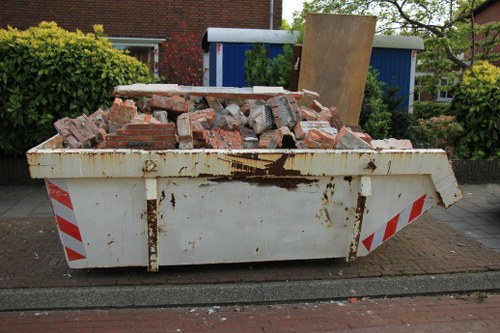
Bulky materials often include old benches, tables, broken plant stands, bags of rubble from small outdoor jobs, fencing sections and dismantled timber. If items need to be broken down before loading, that can often be discussed as part of the quotation. The right method depends on the size, weight and condition of the material, as well as how it sits in the space. Our focus is to keep the process orderly, so the job does not create more mess than it removes.
When you prepare an enquiry, it helps to note whether any items are wet, compacted, unstable or difficult to reach. That does not need to be a long description; a brief outline is enough to identify the scale of the work. If you have photographs or an item list, they can help us assess the clearance more accurately. These details support a clearer quotation and reduce the chance of surprises on the day.
Choosing the right clearance for your garden
Different gardens need different levels of intervention. A simple post-pruning collection may be mostly green waste removal, while a neglected plot can require a more thorough clear-out that mixes cuttings, debris and abandoned items. We help you match the service to the actual condition of the space, rather than forcing every job into the same pattern. That matters if you want only the back corner cleared, or if you need the whole garden brought back to a workable state.
There can also be a difference between a one-off seasonal tidy and a clearance connected to building or landscaping work. After planting, patio changes, fencing repairs or rearrangement of outdoor storage, there may be packaging, broken material and spare offcuts to remove alongside the natural waste. In those cases, it is useful to identify the main material types early. The quotation can then reflect the labour and loading involved, not just the amount of waste visible at first glance.
We are often asked to handle clearances where the garden is still in use, so careful movement around lawns, beds, ornaments and paths is important. The work can be planned to minimise disruption and avoid disturbing what you want to keep. If your priority is access rather than full tidy-up, that can be explained clearly from the start. A concise brief is usually better than a long list of assumptions.
Why organised waste sorting matters

Garden clearance works best when the waste is handled in a sensible order. Green material, mixed rubbish, timber, soil and reusable items do not all behave the same way once they are lifted and loaded. By separating these streams where appropriate, the work becomes easier to manage and the disposal route can be more suitable. This also helps when a garden contains a mixture of recent cuttings and older, more compacted debris.
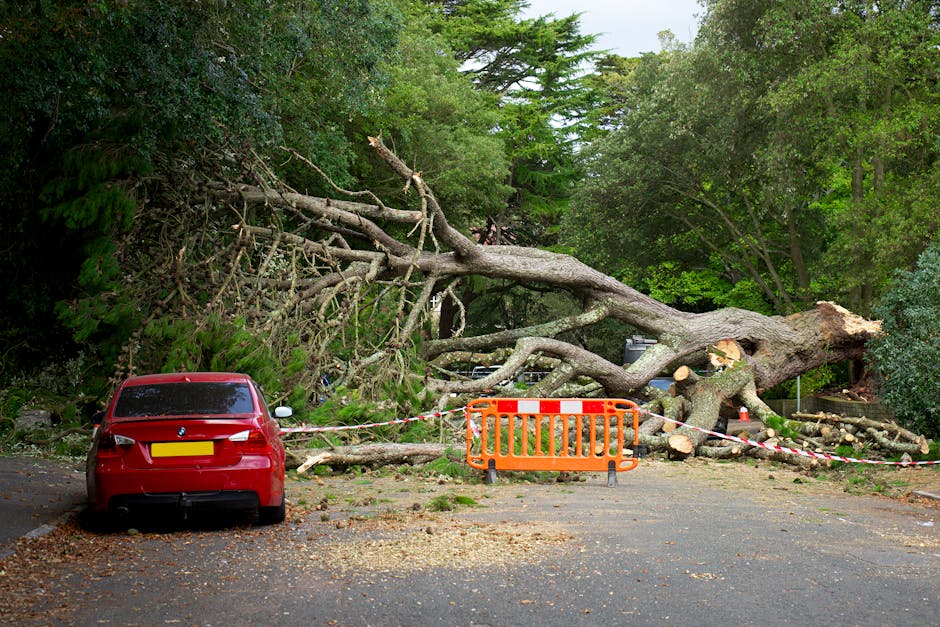
Sorting can be especially helpful if the clearance involves seasonal growth, a recently pruned hedge, or material collected after storm damage. Leaves and twigs can be light but voluminous, while wet cuttings or turf are far heavier than they first appear. Knowing the difference between volume and weight helps set expectations for the amount of labour involved. It also supports a more accurate quotation, because a small-looking pile can still take time to load if it is dense or awkwardly stacked.
Where useful, we also consider whether material could be handled through a recycling route rather than as mixed waste. The exact method depends on the items involved, and not every clearance will suit the same disposal approach. Even so, the principle is consistent: remove what is no longer needed, keep the job tidy, and make sure the remaining area is practical to use afterwards. That is the standard we aim to apply to every garden clearance.
What affects a quotation for garden clearance
Quotation requests are usually clearer when they describe three things: the type of material, the amount of loading required, and any access issues that might slow the work down. A short summary is enough to start with. For example, a pile of clipped branches in a front garden is very different from a mix of soil bags, broken pots and dismantled timber at the far end of a long rear passage. These details matter because the labour involved can change more quickly than the volume alone suggests.
Other factors can include whether the waste is loose or bagged, whether it must be carried downstairs or through a shared route, and whether the items are mixed with non-garden rubbish. If there are unusually heavy objects, sharp edges or blocked access, that should be mentioned as well. We do not need a polished explanation; we need a practical one. A few accurate points make it easier to prepare a quotation that reflects the real work, not an estimate based on guesswork.
If you are ready to move ahead, send the details you have and ask for a quotation. If you are still deciding between a partial tidy-up and a full clear-out, we can help you describe the job in the right terms. For more context on how pricing is approached, see our pricing and quotes page. If you want to discuss the practical side first, you can still request a quotation once the scope is clear.
Garden clearance for homes, landlords and managed properties
Garden clearance is often needed in homes where outdoor space has become difficult to use because waste has built up over time. It is also common in rented or managed properties, where a garden needs to be returned to a usable standard between occupiers or before further work can begin. In these situations, the focus is usually on a clean and efficient removal of unwanted material rather than a decorative tidy. The aim is to free the area from clutter and make later maintenance easier.
For property managers and landlords, a garden can present a mix of responsibilities: broken outdoor furniture, surplus plant material, unwanted storage items and general rubbish left outside. A structured clearance helps bring all of these under one plan. If the job includes a flat entrance, shared path or rear alley, the access arrangement should be mentioned in advance so the work can be planned properly. That is especially useful where items must be carried a longer distance before loading.
We also work on clearances that form part of a larger property clean-up, such as a move-out, refurbishment or sale preparation. In those cases, the garden is just one part of the wider job, and it helps to understand how it sits alongside any indoor clearing or builders’ waste. A single quotation can often reflect that broader scope if the information is provided clearly from the outset.
About London
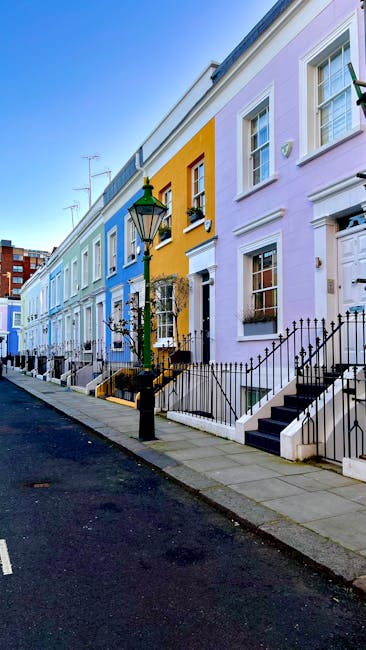
London is a city shaped by layers of settlement, expansion and reinvention, with a street pattern that still reflects the growth of medieval, Georgian, Victorian and modern neighbourhoods. The River Thames remains its defining geographic feature, bending through the centre and linking districts that developed around docks, bridges, markets and government institutions. Historic sites such as the Tower of London, Westminster Abbey and St Paul’s Cathedral sit within a wider urban fabric of terraces, estates, squares and commercial streets. Green spaces are an equally important part of the city’s identity: Hyde Park, Regent’s Park, Hampstead Heath and Richmond Park each offer very different landscapes, from formal avenues to open commons and ancient woodland. Museums, theatres, music venues and galleries give the city a strong cultural profile, while markets and local high streets continue to anchor daily life in neighbourhoods across all directions. Transport has long influenced the city’s form, from the Underground and rail termini to bus corridors and river crossings, and that layered connectivity has made London a place of distinct districts rather than a single centre. Borough boundaries, conservation areas and riverside developments all contribute to a varied urban character, with residential streets often changing sharply within a short walk. The result is a city where old and new stand side by side, and where local identity is often strongest at the level of the neighbourhood.
Garden clearance for larger and more difficult outdoor spaces

Some outdoor areas need more than a routine collection of garden waste. Overgrown plots, long-neglected back gardens and spaces with a build-up of mixed material can require a more considered clearance plan. In these cases, the work may need to progress in stages, beginning with access and obvious obstructions before moving on to the main waste piles. A measured approach helps avoid damage to surfaces, planting and any items that are meant to stay.
Where a garden has become difficult to reach or is partly hidden by waste, the service needs to be practical as well as thorough. Paths may need to be cleared first, and loose material may have to be gathered before larger pieces can be removed. That kind of work is often less about appearance and more about restoring function. Once the main obstruction is gone, the remaining space can be assessed for any further loading or follow-up tidy work that may be needed.
If your garden contains mixed material from several separate jobs, it is useful to describe the categories rather than counting individual items. That might include pruning waste, old storage items, broken containers, timber and bagged rubbish. We can then shape the clearance around the most demanding part of the job and avoid treating everything as if it were identical. For larger outdoor spaces, that clarity saves time and improves the accuracy of the quotation.
Related property clearance options
Although garden work is our focus here, many customers need linked clearance services at the same time. A garage, loft, shed or entire home can contain items that belong in the same overall project, particularly when outdoor storage has overflowed into other areas of the property. Where that happens, it can be more efficient to deal with the connected spaces together rather than separating the work into several isolated visits. The key is to define the main task clearly so the quotation matches the true scope.
For broader house and property clearances, we can help remove unwanted items from internal and external areas in a more coordinated way. That may include bulky furniture, general rubbish, old storage contents or probate-related clearances where the garden forms part of the wider property. Useful supporting pages include garden clearance for the core service, home clearance for mixed residential jobs and property clearance where multiple areas need attention in one plan.
If you are not sure whether the work is best described as garden clearance, house clearance or a combined job, start with what is physically present and where it is located. That gives a clearer basis for advice and quotation than trying to fit the task into a label too early. Accurate description leads to a better result, especially when the job involves both outdoor and indoor waste streams.
How to prepare for a clearance visit
Preparation does not need to be complicated. The most useful step is simply to identify what should go, what should stay and how the clearance area can be reached. If there are gates, side entrances, narrow passages or shared access points, it helps to mention them when requesting a quotation. For some jobs, it is also worth noting whether items are stacked loosely or tightly, because that affects how they can be loaded and carried.
Photos can be helpful when the garden is cluttered, when items are partly hidden, or when there is a mixture of green waste and other material. A short list can work just as well if the space is straightforward. What matters is that the information is practical. We can use it to judge scale, access and likely loading time, which in turn makes it easier to prepare a realistic quotation for the work required.
If you would like to proceed, the best next step is to send the details you have and ask for a quotation. You can keep it brief and still be useful. If you already know the service you need, mention the main material type and the size of the area involved. If you are still comparing options, ask for guidance and we can help shape the request. For direct enquiries, visit contact us.