Commercial Waste Disposal in Garden Clearance

Understanding Commercial Waste Disposal
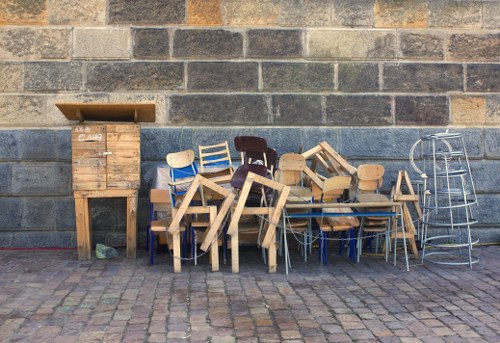
The image depicts a collection of discarded wooden furniture and chairs arranged against a weathered brick wall, which consists of grey and brown tones with signs of age and wear. The foreground shows a cobblestone surface typical of an outdoor setting, possibly a yard or alleyway. Included are various wooden items such as incomplete or broken chairs, some with legs detached, and a small wooden cupboard or storage unit with a partially open door, revealing an interior shelf. There are metallic chairs with a shiny, silver finish stacked on the right side, and a metal wheelchair frame also visible. The scene appears to be an outdoor area designated for rubbish or waste collection, possibly managed by Garden Clearance London, serving local gardens or properties in the London postal district. The assortment of furniture and materials suggests waste ready for removal in a professional rubbish disposal context, with natural outdoor lighting illuminating the scene evenly, highlighting the textures of the wood, metal, and brick surfaces.

Commercial waste disposal plays a crucial role in maintaining the cleanliness and sustainability of business environments. When it comes to garden clearance, managing the waste effectively ensures not only regulatory compliance but also promotes environmental stewardship.

Garden clearance involves the removal of various types of waste, including green waste, construction debris, and sometimes hazardous materials. Proper disposal methods are essential to minimize the environmental impact and to adhere to local waste management regulations.

Businesses engaged in garden clearance must develop comprehensive waste disposal plans that consider the volume of waste, the type of materials involved, and the most appropriate disposal or recycling methods available.

Types of Commercial Garden Waste
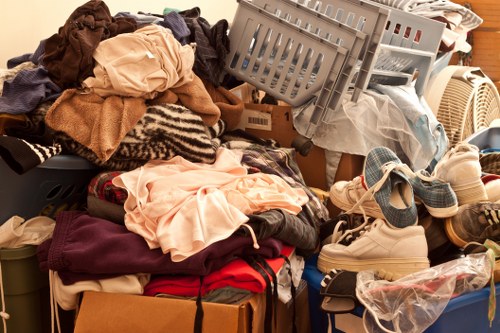
A large pile of assorted domestic waste, including clothing, textiles, and fabric items such as shirts, trousers, and towels, scattered and layered together on a flat surface. Among the textiles are various colours and textures, from smooth cotton to thicker, knitted fabrics. Partial cardboard boxes and plastic bags are visible underneath and around the pile, with some items spilling out. In the background, there are plastic laundry baskets, some stacked, and a beige household heater or dehumidifier. The scene appears to be an indoor or storage area, with natural or artificial lighting illuminating the clutter. The image reflects a typical setup for rubbish removal or clearance services in London, often handled by companies like Garden Clearance London, which specialise in clearing domestic waste efficiently. The environment suggests an ongoing decluttering or collection process for household waste disposal, in the context of managing rubbish collected from a residential property in the local area. The clutter signifies a typical example of household rubbish that requires professional clearance services.

Garden clearance generates a variety of waste materials, each requiring specific disposal approaches:

  • Green Waste: Includes leaves, branches, grass clippings, and other organic materials.
  • Inert Waste: Comprises materials like soil, sand, and gravel.
  • Hazardous Waste: May involve chemicals, treated wood, or other potentially harmful substances.
  • Recyclable Materials: Items such as metal fixtures, plastic containers, and glass can often be recycled.

Identifying and categorizing waste accurately is the first step in effective disposal and recycling efforts.

Each type of waste has specific regulations governing its disposal, making it essential for businesses to be well-informed about local and national waste management laws.

Regulations and Compliance
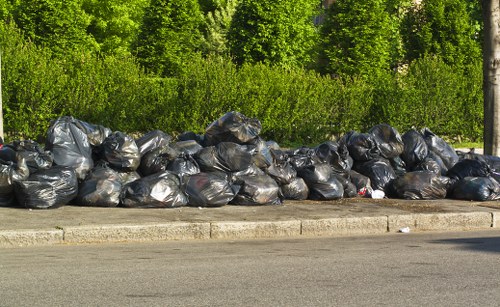
A row of tightly packed black plastic rubbish bags stacked along the edge of a paved roadside area, with a curb separating them from the asphalt. The bags appear full and are designed for waste collection, with some showing slight bulges and twisted tops. Behind the bags, there is a dense line of green trees and shrubbery, indicating a natural outdoor environment near a park or residential area in London. The bright sunlight highlights the reflective surface of the plastic, creating some glare. This scene illustrates a typical rubbish disposal setup that could be managed by Garden Clearance London for clients requiring environmental waste removal or garden waste clearance, especially in urban or suburban settings within the capital. The setting underscores the importance of proper waste management in maintained outdoor spaces or near residential streets in London, where professional rubbish removal services support effective clearance and cleanliness.

Local and National Laws

Compliance with waste disposal regulations is mandatory for all businesses participating in garden clearance. These laws are designed to protect the environment and public health by ensuring proper waste management practices.

Companies must be aware of:

  1. Licensing Requirements: Certain types of waste disposal may require specific licenses or permits.
  2. Disposal Limits: There might be restrictions on the amount of waste that can be disposed of in particular facilities.
  3. Recycling Obligations: Businesses may be required to recycle a percentage of their waste.

Failure to comply with these regulations can result in significant fines and damage to a company's reputation.

Best Practices for Waste Disposal
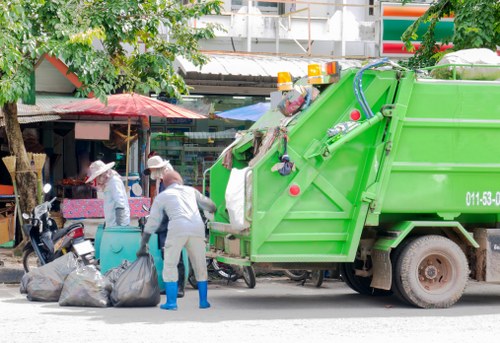
A bright green waste collection truck positioned along a street in an urban area, with a large open rear compactor area where two workers, dressed in white protective suits, blue gloves, and hats, are loading black rubbish bags. The scene includes a tree with green leaves on the left side, several pedestrians walking past, and a small market stall with a pink umbrella in the background. The truck infrastructure features various hatches, hoses, and red reflectors, and the environment suggests a busy area, possibly in London, engaged in rubbish removal and waste management activities. The truck's worn rear wheel and the general setting imply it's part of regular rubbish collection services, aligning with the work of Garden Clearance London on commercial waste removal.

Efficient Waste Management Strategies

Implementing best practices in waste disposal can lead to cost savings, improved efficiency, and enhanced environmental responsibility:

  • Waste Minimization: Reduce the amount of waste generated through careful planning and resource management.
  • Segregation at Source: Separate different types of waste at the point of generation to facilitate recycling and proper disposal.
  • Regular Training: Educate employees about waste management protocols and the importance of compliance.
  • Partnerships with Certified Waste Haulers: Collaborate with reputable waste disposal companies that adhere to environmental standards.

These strategies not only ensure compliance but also contribute to a company's sustainability goals.

Adopting a proactive approach to waste management can significantly reduce the environmental footprint of garden clearance activities.

Sustainable Disposal Solutions
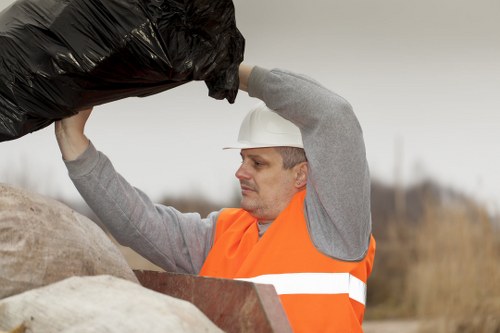
A male waste removal worker wearing a white safety helmet and an orange high-visibility vest is lifting a black plastic rubbish bag above his head, preparing to dispose of it. He is outdoors in a rural or semi-rural setting, with a blurred natural background and overcast sky. The worker is positioned beside a large pile of mixed rubbish, which includes items covered by a protective sheet or tarp. The scene reflects a professional waste collection or clearance activity, consistent with services provided by Garden Clearance London, and is situated in an area that could be part of a garden or site in London or nearby postcode regions. The worker's focused expression and body posture indicate careful handling of waste materials, emphasizing a routine aspect of rubbish removal operations involving waste bags and collection of garden or general rubbish.

Eco-Friendly Approaches

Sustainability is a key consideration in modern waste disposal practices. Businesses are increasingly seeking eco-friendly solutions to manage garden waste:

  1. Composting: Transform organic waste into valuable compost for use in landscaping.
  2. Recycling: Recycle metals, plastics, and glass materials to reduce landfill usage.
  3. Energy Recovery: Utilize waste-to-energy technologies to generate power from non-recyclable waste.
  4. Biodegradable Disposal: Employ methods that allow for the natural breakdown of waste materials without harming the environment.

These sustainable practices not only help in reducing waste but also in promoting a greener business image.

Investing in environmentally responsible disposal methods can lead to long-term benefits for both the business and the community.

Choosing the Right Waste Disposal Partner

The image depicts a collection of discarded wooden furniture and chairs arranged against a weathered brick wall, which consists of grey and brown tones with signs of age and wear. The foreground shows a cobblestone surface typical of an outdoor setting, possibly a yard or alleyway. Included are various wooden items such as incomplete or broken chairs, some with legs detached, and a small wooden cupboard or storage unit with a partially open door, revealing an interior shelf. There are metallic chairs with a shiny, silver finish stacked on the right side, and a metal wheelchair frame also visible. The scene appears to be an outdoor area designated for rubbish or waste collection, possibly managed by Garden Clearance London, serving local gardens or properties in the London postal district. The assortment of furniture and materials suggests waste ready for removal in a professional rubbish disposal context, with natural outdoor lighting illuminating the scene evenly, highlighting the textures of the wood, metal, and brick surfaces.

Selecting a reliable waste disposal partner is vital for effective garden clearance. Here are key factors to consider:

  • Certification and Licensing: Ensure the company is certified and holds the necessary licenses.
  • Service Range: Look for comprehensive services that cover all types of waste your business generates.
  • Environmental Policies: Choose partners committed to sustainable practices and environmental protection.
  • Reputation and Reviews: Research the company's track record and customer feedback.

Partnering with the right waste disposal service can enhance your waste management efficiency and ensure compliance with regulations.

Take the time to evaluate potential partners to find a match that aligns with your business values and needs.

Cost Management in Waste Disposal

A large pile of assorted domestic waste, including clothing, textiles, and fabric items such as shirts, trousers, and towels, scattered and layered together on a flat surface. Among the textiles are various colours and textures, from smooth cotton to thicker, knitted fabrics. Partial cardboard boxes and plastic bags are visible underneath and around the pile, with some items spilling out. In the background, there are plastic laundry baskets, some stacked, and a beige household heater or dehumidifier. The scene appears to be an indoor or storage area, with natural or artificial lighting illuminating the clutter. The image reflects a typical setup for rubbish removal or clearance services in London, often handled by companies like Garden Clearance London, which specialise in clearing domestic waste efficiently. The environment suggests an ongoing decluttering or collection process for household waste disposal, in the context of managing rubbish collected from a residential property in the local area. The clutter signifies a typical example of household rubbish that requires professional clearance services.

Budgeting for Waste Management

Effective waste disposal should also be cost-efficient. Here are ways to manage expenses:

  1. Analyze Waste Streams: Understanding the types and volumes of waste can help in forecasting costs.
  2. Negotiate Contracts: Secure competitive rates by negotiating with waste disposal providers.
  3. Implement Recycling Programs: Reduce disposal fees by recycling materials that would otherwise incur additional costs.
  4. Monitor Waste Generation: Regularly track waste to identify areas where waste reduction can save money.

By implementing these strategies, businesses can minimize waste disposal costs while maintaining compliance and sustainability.

Cost-effective waste management ensures that sustainability initiatives do not strain the business budget.

Technology in Waste Disposal

A row of tightly packed black plastic rubbish bags stacked along the edge of a paved roadside area, with a curb separating them from the asphalt. The bags appear full and are designed for waste collection, with some showing slight bulges and twisted tops. Behind the bags, there is a dense line of green trees and shrubbery, indicating a natural outdoor environment near a park or residential area in London. The bright sunlight highlights the reflective surface of the plastic, creating some glare. This scene illustrates a typical rubbish disposal setup that could be managed by Garden Clearance London for clients requiring environmental waste removal or garden waste clearance, especially in urban or suburban settings within the capital. The setting underscores the importance of proper waste management in maintained outdoor spaces or near residential streets in London, where professional rubbish removal services support effective clearance and cleanliness.

Innovative Solutions

Advancements in technology have revolutionized waste disposal practices, making them more efficient and environmentally friendly:

  • Waste Tracking Software: Monitor and manage waste generation and disposal in real-time.
  • Automated Sorting Systems: Increase the accuracy and speed of waste segregation.
  • Smart Bins: Equipped with sensors to optimize waste collection schedules.
  • Recycling Technologies: Enhance the processing of recyclable materials to make recycling more viable.

Integrating these technologies can streamline waste management processes and reduce the overall environmental impact.

Staying updated with the latest technological advancements helps businesses maintain efficient and sustainable waste disposal systems.

Employee Training and Awareness

A bright green waste collection truck positioned along a street in an urban area, with a large open rear compactor area where two workers, dressed in white protective suits, blue gloves, and hats, are loading black rubbish bags. The scene includes a tree with green leaves on the left side, several pedestrians walking past, and a small market stall with a pink umbrella in the background. The truck infrastructure features various hatches, hoses, and red reflectors, and the environment suggests a busy area, possibly in London, engaged in rubbish removal and waste management activities. The truck's worn rear wheel and the general setting imply it's part of regular rubbish collection services, aligning with the work of Garden Clearance London on commercial waste removal.

Building a Responsible Workforce

Employees play a critical role in the success of waste disposal strategies. Effective training and awareness programs can foster a culture of sustainability within the organization:

  • Comprehensive Training: Educate staff on proper waste segregation and disposal techniques.
  • Awareness Campaigns: Promote the importance of waste management through internal communications.
  • Incentive Programs: Encourage employees to participate in sustainability initiatives through rewards and recognition.
  • Regular Audits: Conduct periodic reviews to ensure compliance and identify areas for improvement.

Empowering employees with knowledge and resources leads to more effective and consistent waste management practices.

A responsible workforce is essential for maintaining high standards in commercial waste disposal.

Case Studies and Success Stories

A male waste removal worker wearing a white safety helmet and an orange high-visibility vest is lifting a black plastic rubbish bag above his head, preparing to dispose of it. He is outdoors in a rural or semi-rural setting, with a blurred natural background and overcast sky. The worker is positioned beside a large pile of mixed rubbish, which includes items covered by a protective sheet or tarp. The scene reflects a professional waste collection or clearance activity, consistent with services provided by Garden Clearance London, and is situated in an area that could be part of a garden or site in London or nearby postcode regions. The worker's focused expression and body posture indicate careful handling of waste materials, emphasizing a routine aspect of rubbish removal operations involving waste bags and collection of garden or general rubbish.

Examining successful waste disposal implementations can provide valuable insights and inspiration:

Company A: Reducing Waste Through Recycling

Company A, a landscaping service provider, implemented a comprehensive recycling program that reduced their landfill waste by 40%. By segregating green waste and partnering with local recycling facilities, they not only adhered to regulations but also achieved significant cost savings.

Company B: Sustainable Composting Practices

Company B adopted on-site composting for their organic waste, turning garden waste into valuable compost for their clients. This initiative minimized waste disposal costs and promoted environmental sustainability.

These case studies highlight the benefits of proactive waste management strategies in the commercial sector.

Learning from these success stories can help other businesses develop effective waste disposal plans.

Future Trends in Waste Disposal

The image depicts a collection of discarded wooden furniture and chairs arranged against a weathered brick wall, which consists of grey and brown tones with signs of age and wear. The foreground shows a cobblestone surface typical of an outdoor setting, possibly a yard or alleyway. Included are various wooden items such as incomplete or broken chairs, some with legs detached, and a small wooden cupboard or storage unit with a partially open door, revealing an interior shelf. There are metallic chairs with a shiny, silver finish stacked on the right side, and a metal wheelchair frame also visible. The scene appears to be an outdoor area designated for rubbish or waste collection, possibly managed by Garden Clearance London, serving local gardens or properties in the London postal district. The assortment of furniture and materials suggests waste ready for removal in a professional rubbish disposal context, with natural outdoor lighting illuminating the scene evenly, highlighting the textures of the wood, metal, and brick surfaces.

Emerging Innovations

The landscape of waste disposal is continually evolving, with new trends shaping the future of garden clearance:

  • Circular Economy: Emphasizes the reuse and recycling of materials to create a closed-loop system.
  • Biodegradable Materials: Increased use of materials that break down naturally, reducing environmental impact.
  • Digital Solutions: Enhanced data analytics and IoT applications for smarter waste management.
  • Green Certifications: Growing importance of sustainable practices in obtaining environmental certifications.

Adapting to these trends will help businesses stay ahead in waste management practices and achieve long-term sustainability goals.

Embracing innovation ensures that waste disposal methods remain effective and environmentally responsible.

Conclusion

A large pile of assorted domestic waste, including clothing, textiles, and fabric items such as shirts, trousers, and towels, scattered and layered together on a flat surface. Among the textiles are various colours and textures, from smooth cotton to thicker, knitted fabrics. Partial cardboard boxes and plastic bags are visible underneath and around the pile, with some items spilling out. In the background, there are plastic laundry baskets, some stacked, and a beige household heater or dehumidifier. The scene appears to be an indoor or storage area, with natural or artificial lighting illuminating the clutter. The image reflects a typical setup for rubbish removal or clearance services in London, often handled by companies like Garden Clearance London, which specialise in clearing domestic waste efficiently. The environment suggests an ongoing decluttering or collection process for household waste disposal, in the context of managing rubbish collected from a residential property in the local area. The clutter signifies a typical example of household rubbish that requires professional clearance services.

Effective commercial waste disposal in garden clearance is essential for environmental sustainability, regulatory compliance, and operational efficiency. By understanding the types of waste, adhering to regulations, implementing best practices, and embracing sustainable solutions, businesses can manage their garden waste responsibly.

Partnering with the right waste disposal services, leveraging technology, and fostering employee awareness are key components of a successful waste management strategy. As the industry evolves, staying informed about emerging trends and innovations will ensure that businesses continue to operate in an eco-friendly and cost-effective manner.

Contact us today to learn more about our professional waste disposal services and how we can help your business achieve its sustainability goals.

Frequently Asked Questions

We utilize state-of-the-art waste management equipment and adhere to industry best practices to ensure efficient and safe disposal of commercial waste. Our experienced team is trained to handle various types of waste, minimizing environmental impact. Contact our team for a quick quote and experience top-notch service.

Yes, we are accredited by leading industry organizations, ensuring that our waste disposal practices meet the highest standards. Our accreditations reflect our commitment to excellence and reliability. Reach out to our team to learn more about our certified services.

Absolutely. We hold all necessary certifications and comprehensive insurance to guarantee that our commercial waste disposal services comply with local and national regulations. This ensures peace of mind for our clients. Contact us today for more information.

We pride ourselves on a high recycling rate, diverting a significant portion of commercial waste from landfills. Our environmentally responsible practices include sorting, recycling, and proper disposal of materials. Partner with us to contribute to a greener future.

With over a decade of experience, we have built a proven track record in commercial waste disposal. Our expertise ensures reliable and efficient service tailored to your business needs. Get in touch with our team for a trusted waste management solution.

We prioritize safety by adhering to strict protocols and using certified equipment, while keeping our services affordable through competitive pricing and efficient operations. This balance ensures you receive quality service without breaking the budget. Contact us for a cost-effective quote.

Yes, transparency is a cornerstone of our business. We provide clear pricing, detailed service descriptions, and honest communication to ensure you understand every aspect of our waste disposal process. Trust us to manage your waste ethically and responsibly.

We are fully licensed to operate in the commercial waste disposal sector, holding all necessary permits required by local and federal authorities. Our licensed status guarantees that we meet all regulatory standards. Reach out to our team to verify our credentials.

Yes, we offer trusted and affordable commercial waste disposal services across various locations. Our local teams ensure prompt and efficient service tailored to your area’s specific needs. Contact us to find the best waste management solution near you.

We handle hazardous commercial waste with utmost care, following strict safety protocols and regulatory guidelines. Our trained professionals use specialized equipment to ensure safe collection, transportation, and disposal, minimizing risks to your business and the environment.

Our commitment to quality, eco-friendly practices, and customer satisfaction sets us apart. With years of experience, accredited services, and a focus on affordability and safety, we provide a comprehensive waste disposal solution tailored to your business needs. Contact us to get started.

We uphold ethical practices by adhering to all regulatory standards, promoting recycling, and ensuring transparent operations. Our dedication to responsible waste management reflects our values and commitment to our clients and the environment. Get in touch to learn more about our ethical approach.
Garden Clearance London

Comprehensive guide on commercial waste disposal in garden clearance, covering best practices, regulations, and sustainable solutions for businesses.

Get a Quote

Get In Touch With Us.

Please fill out the form below to send us an email and we will get back to you as soon as possible.