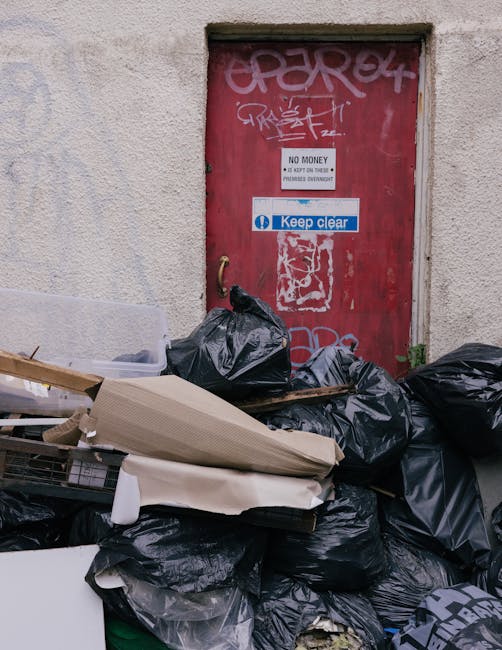
Are London rubbish quotes hiding clearance fees?

If you have ever compared a few waste clearance prices and felt that something did not quite add up, you are not alone. Are London rubbish quotes hiding clearance fees? Sometimes, yes - but not always in an outright sneaky way. More often, the issue is wording, assumptions, or missed details that turn a seemingly simple price into a bigger bill on the day.
That is the part that catches people out. A quote might look low because it only covers labour, or only a small van load, or it assumes easy access. Then the extras appear: stair carries, parking, heavy lifting, extra volume, restricted access, or disposal charges. To be fair, not every provider does this badly. But if you are trying to avoid a nasty surprise, you need to know what to ask, what to compare, and what a proper London clearance quote should actually include.
This guide breaks it down in plain English. You will learn how hidden charges show up, how to read quotes properly, what fair pricing looks like, and how to judge whether a company is being transparent. We will also cover practical checklists, comparison points, and a real-world example, so you can make a calmer decision. No fluff. Just the bits that matter.
Why Are London rubbish quotes hiding clearance fees? Matters
London is one of the easiest places to get a quote that looks tidy on the surface and messy underneath. The reason is simple: jobs are often less straightforward than they first appear. Access can be tight, parking can be awkward, flats may be up several flights of stairs, and waste types can vary wildly from a few black bags to bulky furniture, garden waste, or mixed builder's debris. A quote that ignores those details can look cheap right up until the crew turns up.
Why does this matter so much? Because most people are not trying to game the system. They just want rubbish removed without spending half their day arguing about a price. A clear quote saves time, reduces stress, and helps you compare like with like. A vague quote does the opposite. It often creates friction at the point where you least want it - outside the front door, with bags lined up, the kettle cold, and the driver waiting.
There is also a trust issue. A company that explains its pricing properly is usually easier to deal with in every other respect too. You tend to see better communication, fewer surprises, and a more realistic service overall. That does not mean every low quote is dodgy. It means you should understand the shape of the price before you accept it. Small difference, big impact.
If you want a company's own explanation of how pricing is put together, its pricing and quotes guidance is a sensible place to start. You can also look at the business background on the about us page if you want a better sense of who you are dealing with.
How Are London rubbish quotes hiding clearance fees? Works
Most clearance quotes are built from a few moving parts. The problem is that not everyone spells those parts out clearly. In practice, hidden fees usually arrive in one of four ways:
- They are excluded from the headline quote. The initial number only covers the basic collection, not the full job.
- They are triggered by conditions on site. For example, extra labour if waste is on an upper floor or in a hard-to-reach garden.
- They are based on an estimate that was too vague. If the company has not seen photos or the site in person, the price may shift later.
- They sit in the small print. The quote says one thing, but the terms say another. This is where people get caught, honestly.
A proper rubbish clearance quote should usually make it clear what is included, what might cost extra, and what assumptions the price depends on. If a firm needs more detail, it should ask for it before giving a firm number. That is not a red flag on its own. It is often a sign of care. The issue is when the quote sounds fixed but behaves like an estimate.
Common extra charges in London clearance work can include:
- parking or access complications
- stairs, no lift, or long carry distances
- heavy items such as soil, rubble, or appliances
- mixed waste that needs sorting
- additional volume beyond the agreed amount
- same-day or urgent booking surcharges
- special handling for items requiring care
That does not automatically make the quote unfair. Sometimes the job genuinely changes. But a trustworthy provider will explain the possible extras before work begins, not after the van is loaded.
Expert summary: The cheapest quote is not always the cheapest job. In waste clearance, a quote only works if it matches the real access, volume, and waste type. Otherwise, you are comparing numbers, not services.
Key Benefits and Practical Advantages
There is a strong upside to choosing a quote that is transparent from the start. It is not just about avoiding a surprise charge. It affects the whole job.
First, it makes budgeting easier. If you know the full likely cost before anyone arrives, you can plan around it. That matters whether you are clearing a single room, a garden, or a full flat after a move. London life is expensive enough without mystery add-ons.
Second, it helps you compare services properly. Two quotes that look different may actually be saying very different things. One might include labour, loading, and disposal. Another may only cover the van and a basic collection. Once you strip out the fluff, the "cheaper" quote may not be cheaper at all.
Third, it reduces friction on the day. Clear terms mean fewer awkward conversations at the doorstep. That sounds small, but it is not. The atmosphere of a job matters. A straightforward handover makes the whole thing smoother.
Fourth, it is usually a good indicator of operational quality. Companies that take time to explain pricing often take time with paperwork, safety, recycling, and customer communication too. You can learn a lot from how a provider talks about money.
Fifth, it can protect your property and your nerves. When waste is removed quickly and the price is settled, people relax. You hear the clatter of bags, the van door shutting, and then that satisfying empty-space feeling. Nice, actually.
If security and handling matter to you, it is worth reviewing payment and security information as well as the company's insurance and safety details. Those pages help build confidence before anything is booked.
Who This Is For and When It Makes Sense
This topic matters to a lot more people than you might think. If you are doing a one-off clear-out, you may not know the pricing model well enough to spot extras. If you are a landlord, managing agent, homeowner, tenant, or small business owner, you probably care even more because a hidden fee can complicate budgets and timelines.
It especially makes sense to pay attention if:
- you are clearing a flat or house in London with limited parking or access
- you need garden waste, furniture, or mixed items removed
- the job is urgent and you are getting quick phone quotes
- you have been quoted a price that feels unusually low
- you have stairs, lifts, or a back-garden carry involved
- you want a proper paper trail and predictable billing
Let's face it, quick quotes can be useful, but speed should not replace detail. If someone gives you a price in 20 seconds with no questions, that may sound convenient. It may also mean they have not really understood the job. And that can become expensive later.
People often ask this after a first bad experience, too. Maybe a collection turned into a longer wait, or the final bill was higher than expected. That frustration is real. The good news is that once you know what to check, you do not usually get caught twice.
Step-by-Step Guidance
If you want to avoid hidden clearance fees, use a simple process. Nothing fancy. Just disciplined.
1. Describe the job properly
Start with a clear description of what needs removing. Mention whether it is household junk, garden waste, office rubbish, furniture, white goods, bags, soil, rubble, or mixed waste. If it is awkward, say so. A little detail now saves a lot later.
2. Add access details
Tell the company about stairs, lifts, parking restrictions, distance from the property to the vehicle, and anything else that may slow the job down. In London, access is often the difference between a simple collection and a longer labour-heavy one.
3. Share photos if possible
Photos usually make the quote more accurate. A good set shows the waste pile, the route in and out, and any obstacles. One blurry photo of a corner of the room is not enough. Be fair: the clearer the input, the better the estimate.
4. Ask what the quote includes
Do not just ask for a total. Ask what that total covers. Does it include loading, labour, disposal, VAT if applicable, and any parking-related costs? If not, ask what could be added.
5. Ask what could change the price
This is where the real clarity comes from. Find out which factors might increase the cost on arrival. Good companies can explain this without sounding defensive. If they cannot, that is useful information too.
6. Check the terms before confirming
Read the terms and conditions with basic care. Not every line, obviously, but enough to understand cancellations, surcharges, access assumptions, and payment expectations. If you want the company's wording on this, the terms and conditions page is worth reviewing alongside the quote.
7. Confirm the final price logic
Ask: "Is this fixed, or is it an estimate?" That one question clears up a lot. If it is an estimate, ask what would cause it to change and by how much. If it is fixed, confirm what the fixed price depends on.
8. Keep a written record
Email, text, or written quote is always better than a vague phone promise. If the conversation was on the phone, follow up with a short message summarising what you understood. A tiny admin habit, but it helps.
Expert Tips for Better Results
Here is where the practical experience matters. The people who avoid hidden fees most successfully tend to do a few small things consistently.
Use photos and measurements. If you can, estimate the number of bags, the size of bulky items, or the rough volume of waste. Even a rough count is better than "quite a lot".
Ask for a quote in writing. A written quote makes the service easier to compare and easier to challenge if needed. It is just cleaner all round.
Be honest about the awkward bits. A locked gate, basement flat, or steep stairwell is not a problem if it is disclosed. It becomes a problem when it is discovered at collection time.
Separate mixed waste if possible. Some items may be more expensive to remove than others. If you can sort recyclables, general rubbish, and bulky items beforehand, the quote may be more accurate and the job quicker.
Ask whether the company recycles responsibly. Clear pricing and responsible disposal usually go hand in hand. It does not mean every item can be recycled, but a decent provider should be able to explain their approach. You can read more on recycling and sustainability practices if that matters to you, and honestly it should matter to most of us.
Do not get blinded by a bargain. If one price is far below the others, pause. Either the job scope is different, the assumptions are lighter, or something has been left out. Sometimes all three. That is the bit people miss when they are in a hurry.
Look for the human signs. Do they ask sensible questions? Do they explain what happens if there is more waste than expected? Do they sound rushed, evasive, or oddly vague? The manner of the quote often tells you plenty.
Common Mistakes to Avoid
Most fee surprises come from a few repeat mistakes. Easy to make, easy to avoid once you know them.
- Accepting a price without confirming what it covers. That is the classic one.
- Ignoring access details. London properties can be tricky, and that matters for labour time.
- Assuming all waste is priced the same. It is not. Heavy, mixed, or awkward waste can cost more.
- Not checking whether it is fixed or estimated. This single detail changes everything.
- Forgetting parking or loading restrictions. A van cannot magically park where it likes. Sadly.
- Choosing only on headline price. Cheapest first, best later? Not a great rule in clearance work.
- Failing to get confirmation in writing. Verbal agreements are easy to misunderstand.
Another common issue is overestimating how simple the job will be. A pile that looks manageable from the kitchen window can be heavier, fuller, or harder to move than it seems. People are not usually trying to mislead anyone; they just underestimate volume. It happens.
Tools, Resources and Recommendations
You do not need specialist software to check a quote properly. A few basic tools and habits are enough.
- Phone camera: Take clear photos of the waste and access route.
- Notes app: Keep a list of what is being removed and any access problems.
- Simple bag count or room list: Useful for comparing one quote with another.
- Email or text trail: Keep the key promises in writing.
On the service side, these pages can help you understand the broader picture before booking:
- pricing and quote structure
- payment and security details
- insurance and safety information
- health and safety policy
- background on the company
If you need to speak to someone directly, use the contact page. A short conversation can often clear up more than ten minutes of guesswork. And if you want to understand how the site handles your information while you enquire, the privacy policy and cookie policy are there for that.
Law, Compliance, Standards, or Best Practice
For rubbish removal and clearance work in the UK, the main thing for customers is not memorising legislation. It is making sure the business behaves responsibly and explains its service properly. That includes clear pricing, proper handling of waste, safe working practices, and lawful disposal routes.
Best practice usually looks like this:
- quotes are clear about what is included and excluded
- additional charges are explained before work begins
- staff understand site safety and access risks
- waste is handled responsibly and not dumped carelessly
- customers are given enough information to make an informed decision
From a customer's point of view, that is the standard to look for. Not perfection, just clarity and honesty. If a provider has published policies on safety, payments, complaints, or ethical conduct, that is a positive sign because it shows a level of organisational care. You can also review the complaints procedure if you want to know what happens if a dispute ever arises. Hopefully you never need it, but it is comforting to know it exists.
One more thing: if a company is transparent about security, insurance, and internal standards, it often reflects a more mature operation overall. That does not guarantee a perfect experience, of course, but it improves the odds quite a bit.
Options, Methods, or Comparison Table
Here is a simple comparison of the most common quote types you are likely to see in London rubbish removal.
| Quote type | How it usually works | Pros | Risks |
|---|---|---|---|
| Fixed quote | One agreed price based on the details you give | Easy to budget, clear expectation | May change if the job differs from the description |
| Estimate | Approximate price that can move if the job is bigger or harder | Flexible, useful when details are unclear | Higher chance of extra charges |
| Per-load or volume-based | Price depends on how much waste is collected | Can be fair for mixed jobs | Harder to judge without a proper visual assessment |
| Labour-plus-disposal model | Labour and disposal are separated or partly separated | Can be transparent if explained well | Can feel confusing if the breakdown is vague |
If you are comparing several London rubbish quotes, the main question is not "which is lowest?" It is "which one gives the clearest version of the real job?" That is a much better filter. A slightly higher price with clear inclusions can be the better value. Often is, in my experience.
Case Study or Real-World Example
A common scenario goes like this. Someone in a first-floor flat in London needs a smallish clear-out: a broken wardrobe, some bags of household rubbish, a few boxes, and a bit of old garden clutter from the back yard. They call three providers.
The first quote is quick and low. No questions, just a number. The second asks for photos, checks for stairs, and wants to know whether parking is easy or restricted. The third offers a similar price to the second, but says there may be an extra charge if access is awkward or the waste is heavier than expected.
On paper, the first quote looks best. But it is the least informative. The second and third sound more careful because they are pricing the real job, not a hopeful guess. If the flat is down a narrow stairwell and the van cannot stop right outside, that first quote can become less attractive very quickly.
Now imagine the customer chooses the cheapest one and only discovers the extra charges on arrival. The job still gets done, but the mood changes. The message is simple: a proper quote should reduce uncertainty, not increase it.
A fair-minded provider will not mind your questions. In fact, good companies usually welcome them because they prefer a clean job to a messy misunderstanding. That is the kind of relationship you want, honestly.
Practical Checklist
Use this checklist before you confirm any rubbish clearance booking in London.
- Have I described all the waste clearly?
- Have I mentioned stairs, lifts, parking, and access issues?
- Have I sent photos or enough detail for an accurate estimate?
- Do I know whether the quote is fixed or estimated?
- Do I understand what is included in the price?
- Have I asked what could trigger an extra fee?
- Have I checked the terms and conditions?
- Do I know how payment works?
- Have I compared at least two or three quotes on the same basis?
- Does the company seem open, responsive, and easy to deal with?
If you can tick most of those boxes, you are in a much stronger position. Not perfect, maybe, but strong enough to avoid the usual traps.
Conclusion
So, are London rubbish quotes hiding clearance fees? Sometimes they are, but more often the issue is poor clarity rather than deliberate deception. The real test is whether the quote tells you what is included, what might change, and what the company needs from you to price the job properly.
The safest approach is simple: give accurate details, ask direct questions, compare like for like, and insist on written confirmation. If a provider is transparent before the job starts, that is a very good sign. If the price feels too low to be real, it usually is. Trust that instinct. It saves headaches.
And if you want a smoother, more confident booking experience, a little due diligence goes a long way. The difference between a tidy clearance and a frustrating one is often just a few minutes of checking. Small effort, big payoff. Funny how often that is true.
Get a free quote today and see how much you can save.
With the right questions and the right expectations, you can book clearance with less stress and a lot more peace of mind. That is worth having, isn't it?
Frequently Asked Questions
Are London rubbish quotes hiding clearance fees by default?
Not by default, no. Some are genuinely transparent. The risk comes when the quote is vague, incomplete, or based on assumptions that are not explained. Always ask what is included and whether the price is fixed or estimated.
What hidden charges should I watch for in a rubbish removal quote?
Common extras include difficult access, stairs, parking issues, heavy items, extra volume, mixed waste, and urgent booking fees. The key is not that these costs exist, but that they should be disclosed before work starts.
Is a cheap London rubbish quote always a red flag?
Not always, but it should make you ask more questions. A low price can be fair if the job is simple. It can also mean the quote excludes labour, disposal, or access complications. Compare the details, not just the headline figure.
How can I tell if a rubbish quote is fixed?
Ask directly: "Is this a fixed price?" If the answer is yes, ask what assumptions it depends on. If it is an estimate, ask what could make it go up. A clear company will explain this without fuss.
Should I send photos before getting a quote?
Yes, if possible. Photos usually help make the quote more accurate and reduce the chance of surprise charges. Show the waste, the access route, and any obstacles such as stairs or gates.
Do London rubbish removal prices usually include disposal?
Sometimes yes, sometimes no. That is why you should check. Disposal, labour, loading, and transport may be bundled together or split apart depending on how the company prices the job.
What should a transparent clearance quote include?
A good quote should explain the waste type, access assumptions, likely labour required, and any potential extras. It should also make clear whether parking, VAT, or disposal are included. The more direct the wording, the better.
What if the crew arrives and says the job costs more than quoted?
Ask them to explain exactly why. If the job details changed from what was originally described, a price adjustment may be reasonable. If not, you should refer back to the written quote and the agreed scope.
Can I avoid hidden fees completely?
You can reduce the risk dramatically, but no quote is immune to changes if the job turns out differently from what was described. The best protection is accurate information, written confirmation, and a provider that asks sensible questions upfront.
Why do London jobs seem more prone to extra charges?
London properties often involve tighter access, parking restrictions, stairs, and time pressure. Those factors can affect labour and logistics. It is not unique to London, but the city does make accurate quoting more important.
Where can I check a company's policies before booking?
You can review its published pages on pricing, payments, insurance, safety, and terms before you commit. For example, useful places to look include the pricing and quotes page, the insurance and safety information, and the terms and conditions.
What is the best question to ask before accepting a quote?
Ask: "What could make this price change?" That one question exposes most hidden-fee risks very quickly. If the answer is clear and reasonable, you are probably dealing with a transparent company.