Garden Clearance London: Recycling and Sustainability Commitment
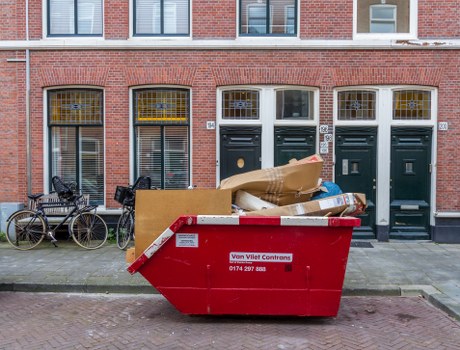 At Garden Clearance London we place sustainability at the heart of every job. Our mission is simple: to reduce landfill and maximise the reuse and recycling of green and bulky garden waste collected across the city. We aim for a 90% recycling target for all non-hazardous garden material by 2028, including wood, green waste, soil and inert materials, and strive to divert the remainder to energy recovery where reuse is not possible.
Our London garden clearance teams follow borough-specific waste separation rules to make recycling efficient at source: from separate green bins in Richmond and Kingston to mixed organic collections in inner boroughs. We train crews on local protocols so that wood, brush, turf and pots are separated in line with council schemes and sent to the correct processing streams. This reduces contamination and raises the value of materials recovered.
 When materials are ready for transfer we use local transfer stations and materials recovery facilities (MRFs). We routinely work with transfer sites around the capital, including established facilities such as the Edmonton EcoPark and other borough transfer stations, to ensure garden arisings get assessed, sorted and processed quickly. Fast transfer reduces transport emissions and speeds material recovery into composting or recycling circuits.
We operate a range of recycling activities tailored to the London context: composting of green waste to produce soil improver for parks and community allotments, chipping and mulching of woody waste for reuse in landscaping, and segregation of soils for remediation and reuse. Our teams also separate metal, clean timber and plastic pots so these can enter specialist recycling streams rather than being downcycled in unsuitable facilities.
Partnerships are central to our reuse strategy. Strong links with local charities and social enterprises mean items with reuse potential — benches, planters, timber sleepers or intact garden furniture — are offered to community groups, urban farms and volunteer-run allotments. We prioritise reuse where items are in good condition, reducing demand for new materials and supporting London communities.
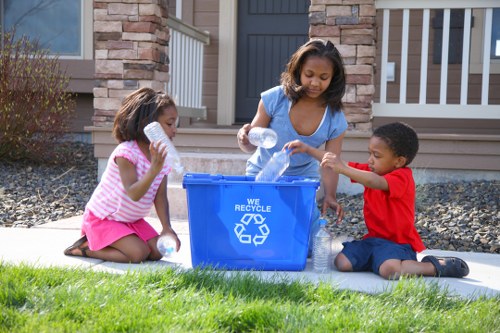 Across boroughs, approaches to waste separation differ. In some areas we support residents to pre-sort materials at the point of clearance; in others our crew perform on-site segregation to match council guidance. These flexible practices ensure garden rubbish removal in London complies with local environmental policies while meeting our own sustainability metrics.
Our low-carbon transport options are a practical expression of our green commitment. We run a fleet of electric and hybrid vans alongside efficient Euro 6 vehicles, and we are expanding electric payload capacity for urban work. Vehicles are fitted with telematics for real-time route optimisation, lowering fuel use and cutting carbon per job. Regular maintenance and driver eco-training further improve efficiency.
We also emphasise careful loading and consolidation of trips so fewer journeys are required. For larger clearances we coordinate collections to transfer stations so lorry loads are maximised and empty runs minimised — a simple but effective way to shrink our carbon footprint while maintaining rapid, reliable garden clearance services across London.
Our collaborations include community composting projects, repair cafes and local reuse hubs that accept salvaged garden items. By linking clearance work to these partners we can often find a second life for materials, from reclaimed timber used in play areas to chipped mulch returned to neighbourhood green spaces. Recycling and reuse become a circular process, supporting borough-level sustainability goals.
Beyond operational measures we publish regular recycling audits and aim for ongoing improvement. Our recycling percentage target is measured by weight and reviewed quarterly, with public reporting on progress. This transparency helps us fine-tune sorting practices and focus investments where they make the biggest environmental impact.
 Local transfer stations are chosen not only for logistics but for their environmental credentials. We prioritise facilities that offer verified composting, wood recycling and soil remediation services over those that send mixed loads to landfill. This selective approach supports the broader London move toward higher-quality recycling and better end markets for recovered materials.
 If a job produces items unsuitable for reuse, our crews still sort for maximum material recovery and safe disposal. Hazardous garden chemicals and contaminated soils are isolated and handled in line with regulations. For everything else we seek to.
What this means for clients and neighbourhoods
Choosing a specialist in garden clearance in London that prioritises sustainability reduces waste-related emissions, supports community projects and keeps parks and allotments supplied with recycled soil products and mulch. Garden rubbish removal London by our teams is efficient, compliant with borough rules and designed to deliver social and environmental benefits.Key practices we follow
- Source segregation aligned to borough collection rules
- Priority reuse through charity and community partnerships
- Use of low-carbon vans and route optimisation
Our commitment to sustainable, responsible London garden clearance is ongoing. We combine practical on-site separation, trusted transfer station partnerships and a growing electric fleet to meet ambitious recycling targets while supporting local reuse networks. Together these steps help keep London greener, cleaner and more circular.
