Storm aftermath: London garden waste emergency pickup N19
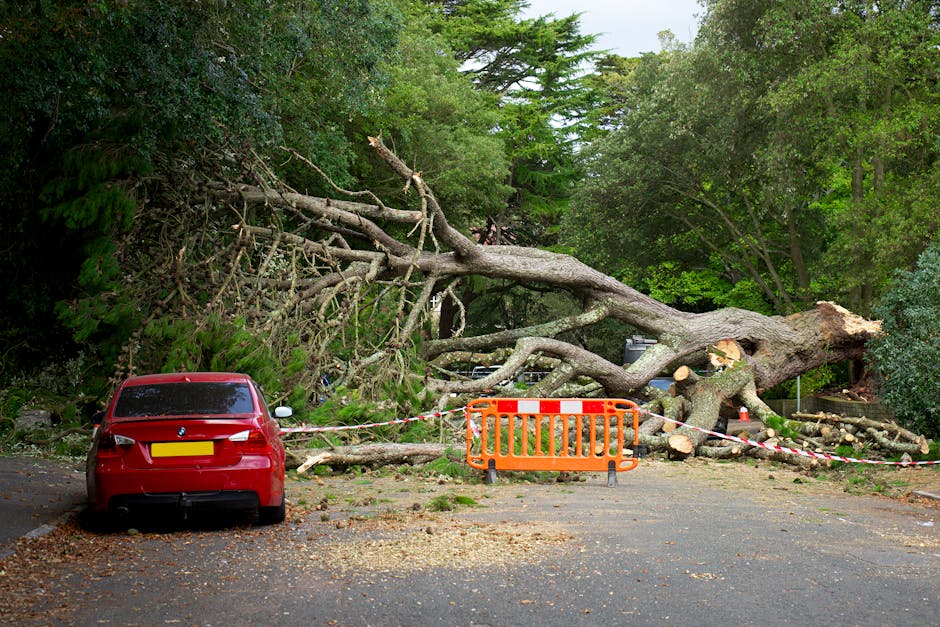
After a storm, a garden can go from manageable to messy in a single night. Broken branches, wet leaves, blown-over planters, shredded hedge clippings, and piles of tangled green waste can make even a small outdoor space feel unusable. If you need Storm aftermath: London garden waste emergency pickup N19, the goal is simple: clear the damage quickly, safely, and without turning a bad day into a worse one.
This guide explains what emergency garden waste pickup really involves, how it works in N19 and the wider London context, what to prepare before collection, and how to avoid the common mistakes that slow everything down. You will also find practical tips, a comparison of collection options, and a checklist you can use right away. Let's face it, after high winds and heavy rain, nobody wants to spend the weekend wrestling with soggy branches.
For broader waste support, some readers also look at garden clearance or wider waste removal services when the storm has affected more than just the garden.
Why Storm aftermath: London garden waste emergency pickup N19 Matters
Storm damage is never just cosmetic. In N19, where many homes have modest front gardens, rear yards, shared access, or tightly packed outdoor spaces, storm debris can block paths, damage planting beds, and create a slipping hazard almost immediately. Wet leaves turn slick. Branches can puncture bags. Heavier debris can sit there looking harmless while actually hiding sharp edges or unstable piles underneath.
There is also the practical side. If garden waste is left to soak, it becomes heavier, smellier, and harder to move. A pile that could have been handled in one quick visit may turn into a stubborn, compacted mess after a day or two of rain. Truth be told, storm aftermath is one of those jobs that always seems smaller from the window than it does once you're outside with gloves on.
Emergency pickup matters because it restores order fast. That can be important for:
- safe access to doors, paths, and shared entrances
- preventing garden waste from spreading into neighbouring plots
- making temporary repairs and inspections easier
- reducing the chance of pests settling into damp organic waste
- helping landlords, tenants, and homeowners get the property back to normal quickly
For larger storm cleanups that go beyond branches and greenery, some households combine the pickup with rubbish clearance or bulk waste collection when mixed waste has blown into the garden too.
Key takeaway: storm-related garden waste is best handled quickly, before it absorbs more water, becomes harder to lift, and starts creating safety or access problems.
How Storm aftermath: London garden waste emergency pickup N19 Works
An emergency garden waste pickup is not mysterious, even if the garden looks like a small disaster zone. In simple terms, a team arrives, assesses the pile, separates what can be taken, removes the waste, and leaves the area safer and clearer than before. The exact process depends on the type and volume of waste, how easy it is to reach, and whether the material is all green waste or a mix of garden debris and general rubbish.
What usually happens on the day
- Initial assessment. The crew checks access, quantity, and whether the waste is mainly organic material such as branches, hedge cuttings, leaves, turf, or uprooted plants.
- Sorting. Usable green waste is separated from non-garden items like broken pots, fence panels, or household rubbish.
- Loading. The waste is lifted by hand or using suitable equipment, depending on weight and site conditions.
- Removal and disposal. The waste is transported for recycling, disposal, or a combined processing route where appropriate.
- Final tidy. The area is checked so loose debris, thorns, or small fragments are not left behind.
The main variables are access and volume. A front drive with neat piles is very different from a narrow back garden with muddy ground, no alley access, and branches wedged under a shed. You will notice that a good crew asks more questions than you might expect. That is a good sign, not a nuisance. It usually means they are trying to avoid delays on the day.
If the storm has affected a wider property cleanout or left multiple rooms and outdoor spaces in disarray, it can help to compare services like home clearance and property clearance so you choose the right level of help.
Key Benefits and Practical Advantages
The obvious benefit is getting rid of the mess. But the real value goes deeper than that. Emergency garden waste pickup is about restoring control, reducing risk, and stopping a temporary problem from becoming a prolonged one.
- Fast restoration of access. Paths, gates, side returns, and patios become usable again.
- Reduced safety risk. Loose branches, wet leaves, and broken stakes are removed before someone trips or slips.
- Less physical strain. Storm waste is often awkward, damp, and much heavier than it looks.
- Better hygiene. Organic waste left to sit can attract insects and create a stale, earthy smell after rain.
- Cleaner boundaries. If your garden borders neighbours or a shared walkway, prompt clearing keeps the issue contained.
- More efficient recovery. Once the mess is gone, you can inspect fences, trellises, planters, and beds properly.
There is also a mental benefit people underestimate. After a storm, seeing one side of the garden cleared makes the whole place feel manageable again. Small thing, maybe. But it matters.
Where storm damage is mixed with old outdoor clutter, services such as rubbish collection or waste collection may be more appropriate than a garden-only pickup.
Who This Is For and When It Makes Sense
This kind of emergency pickup is useful for a wide range of people in N19 and across London. It is not only for badly damaged gardens. Sometimes it is the sensible choice even when the damage looks moderate, because the waste is bulky, wet, or difficult to bag safely.
Typical situations where it makes sense
- Homeowners dealing with fallen branches, torn hedges, or uprooted shrubs
- Renters who need to restore the outdoor area before an inspection or tenancy check
- Landlords handling a property after a storm-related clean-up complaint
- Managing agents responsible for shared gardens or access routes
- Busy families who do not have the time, tools, or muscle to move storm debris safely
- Older residents or anyone who should avoid lifting heavy, wet garden waste
It also makes sense when the storm has triggered a chain reaction. A branch falls on a planter, the planter tips, soil spills, and suddenly the whole area is blocked. That kind of mess can be awkward to handle piece by piece. An emergency pickup can break the job into a single, manageable visit.
If the issue extends into the front of the property, some people pair the pickup with large item collection if the storm also caused damaged outdoor furniture or broken garden structures.
Step-by-Step Guidance
If you want the pickup to go smoothly, a little preparation goes a long way. Nothing fancy. Just enough structure to save time and reduce surprises.
1. Walk the garden first
Look for obvious hazards: snapped branches, hidden nails, broken glass, unstable fencing, or a sagging tree limb. If something looks unsafe to touch, leave it alone. The priority is safe access, not heroic effort.
2. Separate garden waste from mixed waste
Try to keep green waste apart from items that are not garden organic material. For example, plant cuttings and leaves can usually be handled differently from broken pots, plastic planters, old decking pieces, or general rubbish. This helps the team load efficiently and may affect how the waste is processed.
3. Bundle what you can
Short branches, hedge trimmings, and vines are easier to move when loosely bundled. Don't over-tighten them. You are aiming for tidy handling, not packaging for a parcel depot. Wet material needs some give.
4. Clear access routes
Open gates, move bins if needed, and make space along side passages or entry points. If the crew cannot reach the pile easily, the job takes longer. Sometimes a lot longer, especially in narrow N19 terraces where access is tight.
5. Flag any special issues
Tell the provider about thorny material, rotten timber, pests, sharp broken pots, or especially heavy roots. If there are drainage issues or waterlogged sections, mention that too. Small detail, big difference.
6. Confirm what will be removed
Before the pickup, make sure you know whether the service covers all storm debris or only garden waste. This matters if you have a mixed pile. It is better to ask the awkward question now than to stare at a half-cleared patio later.
7. Do a final sweep after collection
Check corners, behind planters, and under low hedges for loose fragments. Storm debris likes to hide. One wayward twig may not sound like much, but it is often the bit that catches your foot later.
Expert Tips for Better Results
In our experience, the best storm clearups are the ones where the homeowner or manager spends ten calm minutes preparing before the crew arrives. That little bit of organisation can save a lot of time.
- Photograph the damage first. It helps you remember what was there before anything is moved, which is useful if there is a landlord, insurer, or neighbour involved.
- Keep wet waste separate from dry leaves if possible. Dry material is easier to bundle and often easier to move.
- Do not overfill bags. Heavy, soaked bags split at the worst possible moment. Usually right when you have just tightened the knot, of course.
- Protect delicate surfaces. If branches need dragging across paving, use boards or a tarp when appropriate.
- Check for hidden damage. Once the debris is gone, inspect fences, sleepers, pots, and shed walls for cracks or impact marks.
- Move vulnerable items early. Bikes, outdoor cushions, and lightweight furniture should be shifted out of the way before collection day.
A small but useful habit: keep a simple "storm kit" in the shed or utility space. Gloves, bin bags, twine, secateurs, a dustpan, and a torch can make a huge difference on a dark, wet evening. Nothing dramatic, just practical.
For households that often generate heavy outdoor waste, a broader service such as waste clearance may be worth considering when the problem is no longer a one-off.
Common Mistakes to Avoid
People usually make the same few mistakes after storm damage. None of them are outrageous. They just slow things down or make the job more difficult than it needs to be.
Leaving the waste to sit for too long
Rain makes everything heavier. The longer you wait, the more compact and awkward the waste becomes. If the weather stays unsettled, the pile can also spread.
Mixing garden waste with unrelated rubbish
It is tempting to sweep everything into one corner. Fair enough, especially when the path is blocked. But mixed waste can affect collection planning and disposal routes.
Underestimating access problems
Narrow gates, basement steps, shared entrances, and muddy surfaces all matter. If the crew has to improvise for ten minutes just to reach the pile, the whole pickup slows down.
Ignoring safety hazards
Broken glass, snapped metal fixings, and unstable branches are common after storms. People sometimes go straight in with bare hands. Not a great idea.
Assuming every service includes everything
Some providers handle only green waste, while others can manage a broader mix. Always clarify this early. It saves awkwardness on arrival.
Forgetting neighbours and shared spaces
In London, a storm mess can spill into communal alleys, side returns, or shared gardens quickly. If so, the plan should account for shared access and the need to keep pathways clear.
Tools, Resources and Recommendations
You do not need a full workshop to get ready for an emergency garden pickup, but a few basic tools make things easier. Nothing fancy. Just the usual suspects.
- Heavy-duty gloves for thorns, splinters, and wet debris
- Secateurs or loppers for small branches and tangled growth
- Strong sacks or bags for leaves, light cuttings, and loose debris
- Twine or garden ties for bundling branches
- Tarp or sheet to drag material without scratching paving
- Wheelbarrow or garden trolley if the layout allows it
- Torch or headlamp if the storm hit late and visibility is poor
For service planning, a few site-specific pages can help you decide whether the job is best handled as garden-only waste or part of a broader clearout. If you are comparing options, useful nearby pages include rubbish removal, recycling and rubbish, and the general London service area overview.
If the storm has damaged outdoor furniture, sheds, or mixed bulky items, pages like furniture removal and collection or garage clearance can be useful as well. Not always needed, but handy when the mess has spread beyond the flowerbeds.
Law, Compliance, Standards, or Best Practice
For storm-related garden waste in London, the main compliance issue is simple: waste should be handled responsibly, kept from causing a nuisance, and passed to a provider that deals with it properly. The exact legal responsibilities can vary depending on whether you are a homeowner, landlord, tenant, business, or managing agent, so it is wise to treat this as a best-practice area rather than a one-size-fits-all rulebook.
As a practical matter, you should expect the following standards from any reputable collection service:
- Clear handling of waste types. Garden waste should be separated where possible, especially if mixed with general rubbish.
- Safe loading practices. Heavy branches and sharp debris should be moved in a controlled way.
- Responsible disposal routes. Organic material should be processed appropriately, with recycling or recovery considered where suitable.
- Respect for access and neighbours. Shared entrances, communal areas, and pavements should be managed carefully.
- Transparent pricing and scope. You should know what is included before work starts.
For businesses or managed properties, there may be additional internal procedures around access, liability, or waste transfer arrangements. In those situations, services such as business waste removal and commercial waste collection are worth reviewing if the storm has affected a commercial courtyard, office garden, or shared external area.
Best practice also means treating safety as non-negotiable. If branches are near power lines, if there is structural damage, or if a tree looks unstable, pause and get the right professional advice before moving anything. Sensible caution saves trouble later. Always does.
Options, Methods, or Comparison Table
There is more than one way to clear storm waste. The right option depends on how much debris there is, how quickly you need it gone, and whether you want to do part of the prep yourself.
| Option | Best for | Pros | Limitations |
|---|---|---|---|
| DIY bagging and council disposal route | Small amounts of light garden waste | Can be low cost if the volume is tiny | Time-consuming, heavy lifting, not ideal after severe weather |
| Emergency garden waste pickup | Urgent clearups, bulky branches, wet debris | Fast, practical, less strain, usually best for awkward piles | May cost more than waiting for a routine collection |
| Combined waste clearance | Mixed storm debris, garden items, and some household rubbish | Handles more in one visit, good for messy aftermaths | Needs clearer scoping before the job starts |
| Specialist bulky item service | Storm-damaged outdoor furniture, planters, broken items | Useful where non-garden items are part of the problem | Not suitable if the main issue is green waste only |
In N19, where many properties have limited outdoor space, the quickest method is often the most practical one. If the pile is wet, mixed, or blocking access, trying to save a bit of time by doing it all yourself can become the most expensive choice in terms of effort. Annoying, but true.
Case Study or Real-World Example
Picture a small rear garden after a windy night in N19. A hedge has shed several heavy branches, leaves have collected in the corners, and one planter has tipped onto the paving. The gate still opens, but only just. The path is slippery and the bin area is half blocked.
In a situation like that, a sensible emergency pickup would usually start with a quick review of access and waste type. The loose leaves would be bagged or gathered. The branches would be cut into manageable lengths if needed. The planter would be separated from the green waste so it can be dealt with properly. The crew would then clear the main path first, because restoring access is often more valuable than doing the prettiest possible tidy-up right away.
What tends to surprise people is how much lighter the garden feels after the first load is removed. The sound changes too. Instead of the soft slap of wet leaves underfoot and branches scraping along the paving, the space goes quiet. That quiet matters. It means you can see the actual damage, plan the next repair, and stop guessing about what is hidden under the pile.
For a property with a broader mix of issues, the same approach may be paired with house clearance or flat clearance if indoor and outdoor mess have both built up after the storm.
Practical Checklist
Use this checklist before the pickup arrives. It keeps things calm. More or less.
- Identify all storm debris in the garden
- Separate green waste from general rubbish
- Check for sharp, broken, or unstable items
- Clear access through gates, side passages, and paths
- Bundle loose branches where safe and practical
- Move bins, bikes, cushions, and fragile items out of the way
- Take photos if you need a record of the damage
- Tell the provider about awkward access or waterlogged ground
- Confirm what the pickup includes and what it does not
- Do a final sweep after collection for small fragments
Quick reminder: if anything looks structurally unsafe, do not force it. A cautious approach is never wasted time.
If you are comparing pricing or planning the next step after the storm, it can also help to review pricing and quotes alongside the service details so you know what level of help fits the job.
Conclusion
Storm aftermath cleanups are rarely glamorous, and they are usually more demanding than they first appear. But with the right approach, Storm aftermath: London garden waste emergency pickup N19 can turn a stressful, messy corner of the week into a simple, contained job. The key is to act early, separate the waste sensibly, keep access clear, and choose the pickup method that matches the size and type of debris.
That is really the heart of it. Quick action protects safety, reduces effort, and makes the whole garden feel usable again. And once the worst of the mess is gone, the next step becomes obvious instead of overwhelming. Which, after a storm, is a relief in itself.
Get a free quote today and see how much you can save.
Frequently Asked Questions
What counts as emergency garden waste after a storm?
Emergency garden waste usually includes fallen branches, snapped hedge trimmings, blown leaves, uprooted plants, broken pots, and other outdoor debris that needs clearing quickly for safety or access.
Can you remove wet and heavy garden waste?
Yes, but wet waste is heavier and more awkward to handle. That is why fast collection matters. The longer it sits, the more water it absorbs and the harder it becomes to move.
Do I need to bag the waste first?
Not always. Small loose material is easier to manage if bagged or bundled, but larger branch piles can often be collected as they are, provided access is clear.
What if my garden waste is mixed with rubbish?
Mixed waste is common after storms. It is best to separate green material from broken household items, plastics, wood, and other rubbish if you can. That makes the collection simpler and more accurate.
How quickly can an emergency pickup happen in N19?
That depends on the provider's availability, access, and the amount of waste involved. Urgent jobs are often prioritised, but exact timing can vary, especially after widespread storm damage.
Is storm garden waste different from normal garden waste?
The material is similar, but storm waste is usually wetter, heavier, and more scattered. It may also include damaged items that would not appear in a routine garden clearance.
Can I leave branches on the pavement until collection?
No, not really. Debris on the pavement can create a hazard and may obstruct others. Keep waste on your property wherever possible and arranged safely for pickup.
Will the service take broken fence panels or planters too?
Possibly, but that depends on the service scope. Some providers handle only garden waste, while others can take mixed outdoor debris or bulky items as well.
What should I do before the crew arrives?
Clear access, separate waste where possible, move fragile items, and flag any hazards. A few minutes of prep can make the pickup faster and safer.
Is emergency pickup worth it for a small garden?
Often yes, especially if the waste is heavy, wet, or blocking access. Even a small garden can become hard to manage after a storm, particularly in tighter London properties.
How do I choose between garden clearance and rubbish removal?
If the problem is mostly green waste, garden clearance is the better fit. If the storm has also brought down mixed rubbish or broken household items, a broader rubbish removal or waste clearance option may be more suitable.
What if the storm damaged more than the garden?
If indoor clutter, damaged furniture, or other bulky waste is part of the problem, consider whether a wider service such as property clearance or house clearance would be more efficient than handling each issue separately.
When the weather has finally moved on, a cleared garden gives you a proper place to start again. And honestly, that first clean patch of paving can feel like the beginning of a better week.