Efficient Waste Removal in Garden Clearance
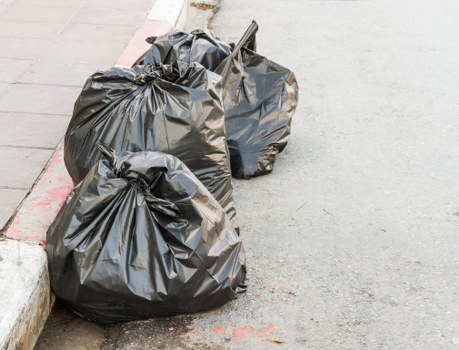
Introduction to Garden Clearance
Garden clearance is an essential maintenance activity that ensures your outdoor space remains healthy, beautiful, and functional. Whether you're preparing for a new gardening season, renovating your landscape, or simply tidying up, effective waste removal in garden clearance plays a pivotal role. Proper waste management not only enhances the aesthetic appeal of your garden but also contributes to environmental sustainability.
Engaging in garden clearance involves the removal of various types of waste, including fallen leaves, branches, old plant matter, and other debris. This process can be labor-intensive, especially for larger gardens, making professional waste removal services a valuable option for homeowners and gardeners alike.
In this article, we will explore the various aspects of waste removal in garden clearance, including the types of waste typically generated, the benefits of professional services, effective strategies for managing garden waste, and tips for maintaining a clutter-free garden. By understanding these elements, you can ensure that your garden remains a pleasant and sustainable space.
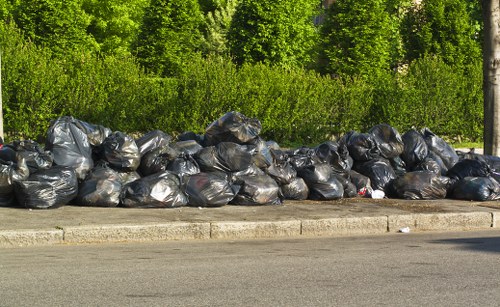
Types of Waste in Garden Clearance
When undertaking garden clearance, you'll encounter different types of waste that require appropriate handling and disposal methods. Understanding these types is crucial for efficient waste management and environmental responsibility.
Organic Waste
Organic waste includes plant materials such as leaves, grass clippings, branches, twigs, and old plant debris. This type of waste is biodegradable and can be composted to enrich soil quality, promoting healthier plant growth.
Inorganic Waste
Inorganic waste comprises non-biodegradable materials like plastics, metals, and pots. These items require special disposal methods as they cannot be composted and may need to be recycled or sent to landfills.
Hazardous Waste
In some cases, garden clearance may involve hazardous waste, such as treated wood, pesticides, or other chemicals. Proper disposal of hazardous waste is essential to prevent environmental contamination and ensure safety.

Benefits of Professional Waste Removal Services
Hiring professional waste removal services for garden clearance offers numerous advantages. These benefits can enhance the efficiency and effectiveness of your garden maintenance efforts.
Time and Effort Savings
Professional waste removal teams are equipped with the necessary tools and expertise to handle garden waste efficiently. This can save you significant time and physical effort, allowing you to focus on other important tasks or simply enjoy your outdoor space.
Proper Disposal and Recycling
Experts ensure that waste is disposed of correctly, adhering to local regulations and environmental guidelines. They can also facilitate recycling and composting, minimizing the environmental impact of garden waste.
Enhanced Garden Health
Regular and thorough garden clearance contributes to the overall health of your garden. By removing dead plant material and debris, you reduce the risk of pest infestations and diseases, promoting a thriving garden ecosystem.
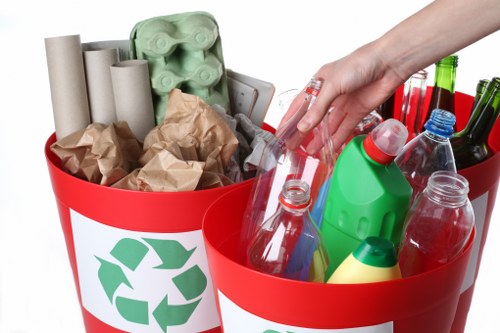
Effective Strategies for Garden Waste Removal
Implementing effective strategies for garden waste removal can streamline the clearance process and enhance the sustainability of your garden management practices.
Composting
Composting is a sustainable method for handling organic waste. By converting plant debris into compost, you can create a rich soil amendment that improves soil structure, fertility, and water retention.
Recycling and Reusing
Recycling inorganic waste, such as metal containers and plastics, reduces the amount of waste sent to landfills. Reusing materials like old pots and tools can extend their lifespan and minimize environmental impact.
Regular Maintenance
Establishing a regular garden maintenance schedule helps prevent the accumulation of waste. Routine trimming, pruning, and debris removal keep your garden neat and reduce the volume of waste generated.
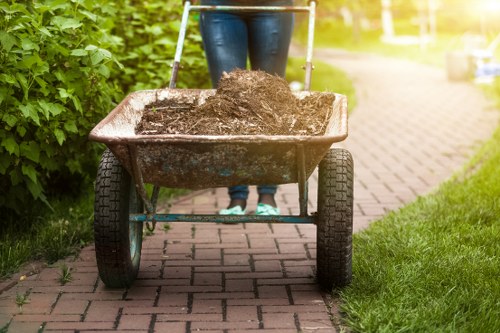
Tools and Equipment for Garden Clearance
Having the right tools and equipment is essential for efficient garden clearance and waste removal. Investing in quality tools can enhance productivity and ensure thorough cleanup.
Hand Tools
- Pruners and Shears: Ideal for trimming branches and cutting plant material.
- Rakes: Essential for collecting leaves and debris.
- Shovels: Useful for digging and removing larger waste items.
Power Tools
- Lawn Mowers: Efficient for cutting large areas of grass and vegetation.
- Leaf Blowers: Useful for quickly gathering leaves and light debris.
- Chainsaws: Necessary for cutting through thick branches and woody material.
Waste Containers
Providing ample waste containers, such as bins and composters, ensures that waste is organized and easy to transport. Labeling containers for different types of waste can streamline the disposal process.
Environmental Impact of Garden Waste
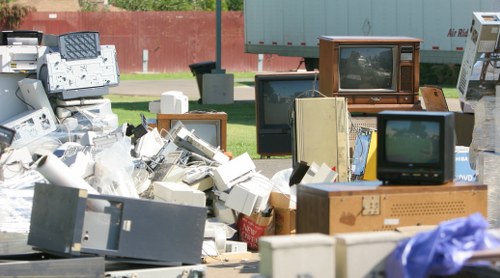
Proper management of garden waste is crucial for minimizing its environmental impact. Mismanaged waste can lead to pollution, greenhouse gas emissions, and habitat disruption.
Pollution Prevention
Improper disposal of garden waste can result in soil, water, and air pollution. Chemicals from hazardous waste can contaminate water sources, while decomposing plant matter can release methane, a potent greenhouse gas.
Habitat Protection
By responsibly managing garden waste, you protect local wildlife habitats. Removing debris prevents the spread of invasive species and reduces the risk of pests and diseases affecting native plants and animals.
Resource Conservation
Recycling and composting garden waste conserve valuable resources. Compost enriches soil, reducing the need for chemical fertilizers, while recycling materials lessens the demand for new production, saving energy and raw materials.
Steps for Effective Garden Clearance and Waste Removal
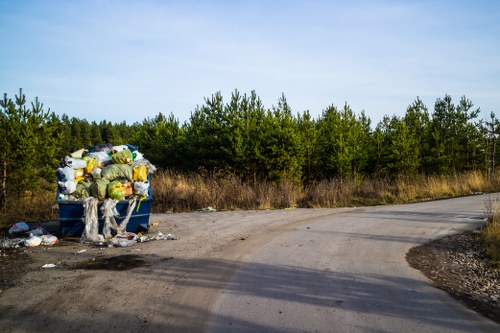
Following a systematic approach to garden clearance ensures that waste removal is thorough and efficient. Here are the key steps to achieve effective garden clearance:
- Assessment: Evaluate the extent of garden waste and identify the types of materials that need to be removed or recycled.
- Planning: Develop a clear plan outlining the tasks, tools, and disposal methods to be used. This includes scheduling regular maintenance activities.
- Gathering Tools: Assemble the necessary tools and equipment required for the clearance process, ensuring they are in good working condition.
- Cleaning: Begin the removal process by collecting all debris, pruning overgrown plants, and clearing pathways and beds.
- Sorting: Separate waste into categories such as organic, inorganic, and hazardous for appropriate disposal.
- Disposal: Transport the sorted waste to designated facilities, compost it, recycle materials, or safely dispose of hazardous items.
- Final Inspection: Conduct a thorough inspection to ensure all waste has been removed and the garden is tidy.
Choosing the Right Waste Removal Service
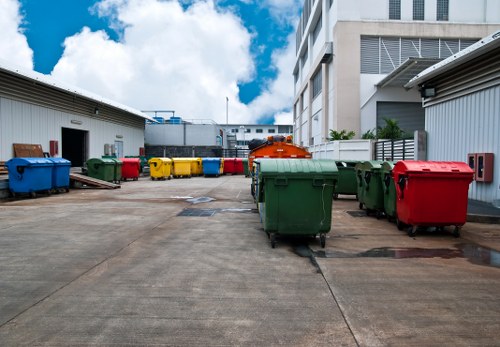
Selecting a reputable waste removal service is crucial for effective garden clearance. Consider the following factors when making your choice:
Experience and Expertise
Look for companies with extensive experience in garden clearance and waste removal. Experienced professionals are better equipped to handle different types of waste efficiently and safely.
Service Range
Ensure the service offers comprehensive waste removal solutions, including composting, recycling, and hazardous waste disposal. A wide service range guarantees that all your garden waste needs are met.
Environmental Commitment
Choose services that prioritize environmental sustainability. Companies that follow eco-friendly practices, such as recycling and composting, help reduce your garden's ecological footprint.
Cost and Value
Compare pricing structures and assess the value offered by different services. While cost is important, prioritize quality and reliability to ensure effective waste removal.
Customer Reviews
Check customer testimonials and reviews to gauge the service’s reputation and customer satisfaction levels. Positive feedback indicates a trustworthy and efficient service provider.

DIY vs. Professional Waste Removal
Deciding between DIY waste removal and hiring professionals depends on various factors, including the size of your garden, the volume of waste, and your personal capabilities.
DIY Waste Removal
Handling waste removal yourself can be cost-effective and provides a hands-on approach to garden management. However, it requires significant time, effort, and proper tools. DIY is suitable for smaller gardens with manageable amounts of waste.
Professional Waste Removal
For larger gardens or those with substantial waste, professional services are more efficient. Professionals bring expertise, equipment, and resources that can handle the job quickly and sustainably, ensuring comprehensive waste management.
Hybrid Approach
Combining DIY methods with professional services can optimize waste removal. For example, you can manage compostable waste yourself while hiring professionals for bulk or hazardous waste, balancing cost and efficiency.

Maintaining a Clutter-Free Garden
Once you have cleared your garden, maintaining its cleanliness and order is essential to prevent excessive waste accumulation. Here are some tips for ongoing maintenance:
Regular Pruning
Consistently pruning plants and trees prevents overgrowth and reduces the amount of debris generated. Regular pruning also promotes healthier plant development.
Timely Cleanup
Remove fallen leaves, dead plants, and other debris regularly. Immediate cleanup minimizes waste buildup and keeps your garden looking tidy.
Proper Storage
Store tools and equipment properly to prevent clutter. Organized storage solutions make it easier to manage your garden space and reduce the likelihood of waste accumulation.
Sustainable Practices
Implement sustainable gardening practices, such as mulching, rainwater harvesting, and using native plants. These practices enhance garden health and reduce the need for excessive waste management.
Seasonal Maintenance
Conduct thorough garden clearance at the end of each season. Seasonal maintenance helps prepare your garden for upcoming weather conditions and ensures a smooth transition between planting periods.
Common Challenges in Garden Waste Removal
Garden waste removal comes with its own set of challenges that can hinder the efficiency of the clearance process. Identifying and addressing these challenges is key to successful waste management.
Volume of Waste
Large gardens produce substantial amounts of waste, which can overwhelm DIY efforts. Managing high volumes requires robust strategies and adequate resources to handle the clearance effectively.
Access to Disposal Facilities
Limited access to appropriate disposal or recycling facilities can complicate waste removal. Ensuring proximity to such facilities or opting for services that manage transportation can mitigate this issue.
Time Constraints
Balancing garden maintenance with other responsibilities can make it difficult to allocate sufficient time for waste removal. Professional services can alleviate time pressures by handling clearance efficiently.
Cost Considerations
The cost of waste removal services can be a barrier for some homeowners. Exploring cost-effective options, such as combining DIY with professional services, can help manage expenses while maintaining garden cleanliness.
Environmental Regulations
Compliance with local environmental regulations is essential to avoid penalties and ensure sustainable practices. Staying informed about disposal guidelines and adhering to them is crucial for responsible waste management.
Innovations in Garden Waste Removal
The field of garden waste removal is continuously evolving, with new technologies and methods emerging to enhance efficiency and sustainability.
Advanced Composting Systems
Modern composting systems offer faster decomposition rates and higher quality compost. These systems utilize aeration and temperature control to optimize the composting process, making it easier for homeowners to recycle garden waste.
Automated Waste Collection
Automated waste collection services use state-of-the-art machinery to gather and transport garden waste efficiently. These innovations reduce manual labor and improve the speed of waste removal operations.
Eco-Friendly Disposal Methods
Eco-friendly disposal methods focus on minimizing environmental impact. Techniques such as bio-drying and thermal treatment convert waste into usable products like biochar, reducing landfill dependency and promoting resource reuse.
Digital Management Tools
Digital tools and applications assist in managing garden waste by scheduling pickups, tracking waste volumes, and providing disposal guidelines. These tools enhance organization and ensure timely and effective waste management.
Green Waste Recycling Programs
Many communities now offer green waste recycling programs that encourage residents to recycle garden waste responsibly. These programs provide convenient access to recycling facilities and promote sustainable waste handling practices.
Cost Breakdown of Waste Removal Services
Understanding the costs associated with waste removal services can help you make informed decisions about garden clearance. Various factors influence pricing structures, and knowing these can help you budget effectively.
Size of the Garden
The size of your garden directly impacts the amount of waste generated and, consequently, the cost of removal. Larger gardens with more extensive waste typically incur higher fees due to the increased workload.
Type of Waste
The nature of the waste affects pricing. Organic waste may be composted at a lower cost, while inorganic or hazardous waste often requires specialized handling and disposal, leading to higher expenses.
Frequency of Service
Regular waste removal services, such as weekly or monthly pickups, may be more cost-effective in the long run compared to one-time or sporadic services. Consistent scheduling can also prevent waste accumulation.
Additional Services
Some waste removal providers offer additional services like pruning, trimming, and soil aeration. These value-added services can increase the overall cost but provide comprehensive garden maintenance solutions.
Location
Geographical location plays a role in service costs. Services in urban areas or remote locations may charge higher fees due to transportation and accessibility challenges.
Legal and Regulatory Considerations
Compliance with legal and regulatory requirements is essential for responsible garden waste removal. Understanding these regulations ensures that waste management practices are lawful and environmentally friendly.
Local Waste Management Laws
Different regions have specific laws governing waste disposal, including restrictions on what can be composted, recycled, or sent to landfills. Familiarize yourself with local regulations to ensure compliance.
Landfill Bans and Recycling Requirements
Many municipalities have bans on disposing of certain types of garden waste in landfills. Recycling requirements may dictate how specific materials should be handled, promoting sustainable practices.
Permits and Licensing
In some areas, waste removal activities may require permits or licenses, especially for large-scale operations or the handling of hazardous materials. Obtaining the necessary permits avoids legal complications.
Environmental Protection Laws
Environmental protection laws aim to minimize pollution and promote sustainability. Adhering to these laws in waste removal helps protect ecosystems and reduces your environmental footprint.
Penalties for Non-Compliance
Violating waste management regulations can result in fines, penalties, and legal actions. Ensuring proper waste disposal and management practices prevents these consequences and supports community well-being.
Future Trends in Garden Waste Removal
The future of garden waste removal is likely to be shaped by advancements in technology, increasing environmental awareness, and evolving regulatory landscapes. Here are some anticipated trends:
- Sustainable Practices: There will be a stronger emphasis on sustainable waste management practices, including increased recycling, composting, and energy recovery from waste.
- Smart Gardening: Integration of smart technologies in gardening can optimize waste production and management, using sensors and data analytics to monitor and streamline clearance processes.
- Community Programs: Enhanced community-based waste removal programs will encourage collective participation, promoting eco-friendly waste handling on a larger scale.
- Innovative Recycling Solutions: Development of new recycling technologies will allow for more efficient processing of diverse garden waste materials, reducing landfill reliance.
- Regulatory Developments: Future regulations may impose stricter guidelines on waste management, driving the adoption of advanced and sustainable removal methods.
Staying informed about these trends can help you adapt your waste removal strategies, ensuring your garden remains clean and environmentally responsible in the years to come.
Conclusion
Effective waste removal is a cornerstone of successful garden clearance. By understanding the types of waste, leveraging professional services, implementing sustainable strategies, and staying compliant with regulations, you can maintain a beautiful and healthy garden environment.
Embracing efficient waste management practices not only enhances the aesthetic and functional aspects of your garden but also contributes to broader environmental sustainability efforts. Whether you choose to manage waste removal yourself or hire professionals, prioritizing responsible disposal and recycling is essential.
Ready to transform your garden with efficient waste removal? Contact us today to learn more about our comprehensive garden clearance services and how we can help you achieve a pristine and sustainable outdoor space.
