Brixton Market bulky rubbish collection options London: a practical guide for homes, stalls and local businesses
If you are dealing with old furniture, broken appliances, packaging from a refit, or the awkward leftovers that always seem to build up after a busy week around Brixton Market, you are not alone. Finding the right Brixton Market bulky rubbish collection options London can save time, reduce stress, and help you avoid a messy build-up that gets in the way of daily life or trading. Truth be told, bulky waste is one of those jobs that feels small until it is right there in the hallway, on the shop floor, or by the back gate.
This guide breaks down how bulky rubbish collection works in London, when it makes sense to use a professional collection service, what to check before you book, and how to choose the most practical option for your situation. Whether you are a resident, a market trader, a landlord, or a local business, you will find a clear route forward here.
- Why Brixton Market bulky rubbish collection options London matters
- How Brixton Market bulky rubbish collection options London works
- Key benefits and practical advantages
- Who this is for and when it makes sense
- Step-by-step guidance
- Expert tips for better results
- Common mistakes to avoid
- Tools, resources and recommendations
- Law, compliance, standards, or best practice
- Options, methods, or comparison table
- Case study or real-world example
- Practical checklist
- Conclusion
- Frequently asked questions
Why Brixton Market bulky rubbish collection options London Matters
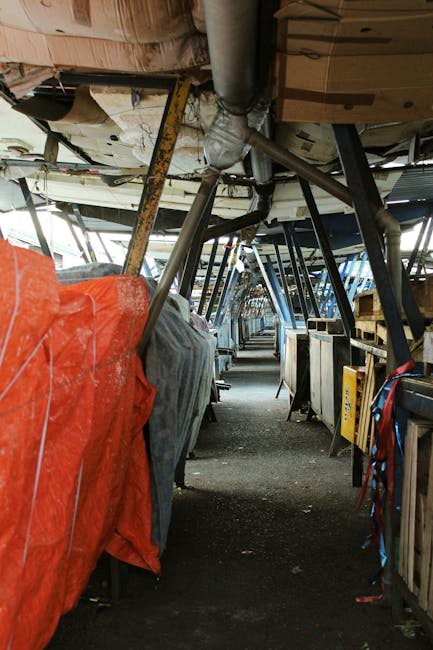
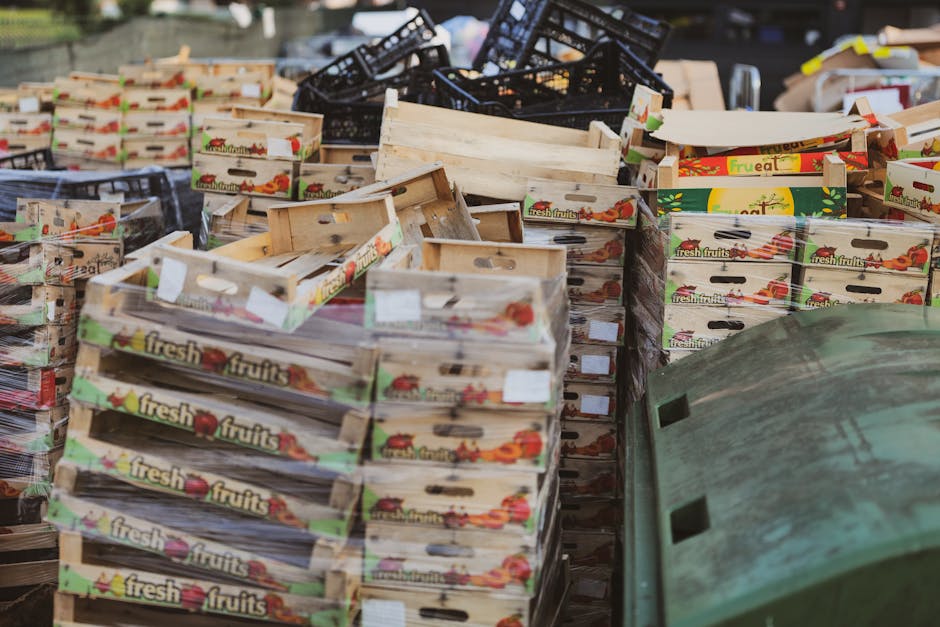
Brixton Market is busy, compact, and full of movement. That is part of its charm, but it also means there is very little room for bulky rubbish to sit around. A sofa left outside for too long, a stack of broken shelving, or a few oversized sacks after a clearance can quickly create a bottleneck. It looks untidy, but it can also become a trip hazard, attract complaints, or block access when traders and visitors need space to move.
Bulky waste is different from standard bin rubbish. It is bigger, heavier, harder to handle, and often needs more than a normal collection round. In a market or mixed-use area, the challenge is not just getting rid of items; it is doing it in a way that fits local access, trading hours, neighbours, and building rules. That is where the right collection option matters.
There is also a financial angle. Leaving bulky items too long can lead to extra handling, repeated journeys, or avoidable fines if waste is dumped carelessly. And let's face it, nobody wants to spend a Saturday morning dragging a mattress through a crowded street because the plan fell apart the night before.
Expert summary: The best bulky waste solution is not always the fastest or the cheapest on paper. Around Brixton Market, it is usually the one that balances access, timing, compliance, and convenience without disrupting trading or neighbours.
How Brixton Market bulky rubbish collection options London Works
In practical terms, bulky rubbish collection usually means arranging for unwanted large items to be removed from your premises, frontage, yard, or agreed loading point. The process is often simple, but the details matter more in a busy London location.
Most collection services work in a similar way:
- You identify the items. This might include furniture, mattresses, white goods, shop fittings, office equipment, or mixed bulky waste from a clearance.
- You request a quote. A good provider will ask what needs removing, where it is, whether there are stairs or parking limits, and how urgent the job is.
- The collection is scheduled. Timing matters in Brixton. Early slots, off-peak visits, and clear access instructions can make a big difference.
- The items are removed. The crew should load, sort, and transport the waste safely.
- The waste is handled properly. Reuse, recycling, and lawful disposal should be part of the process, not an afterthought.
Some people first look at council-led arrangements such as large item collection through the council or broader council waste collection. Others prefer a private service for speed, flexibility, or the ability to clear mixed items in one visit. Both can be valid; the right choice depends on how quickly you need the space cleared and how awkward the job is.
In our experience, the smallest detail can save the most time. A note about a narrow gate, a basement flight of stairs, or a van-access restriction can prevent the sort of morning delay that leaves everyone sighing at 8:15 a.m.
Key Benefits and Practical Advantages
Using a well-planned bulky rubbish collection service in Brixton does more than tidy up a space. It can improve the way a home, market stall, or business functions day to day.
- Faster clearance: Large items are removed in one go rather than being broken down and handled piecemeal.
- Less disruption: A booked collection can be timed around trading hours, deliveries, or resident access.
- Safer handling: Heavy items such as wardrobes, sofas, and fridges are moved by people used to lifting and loading.
- Better presentation: Keeping entrances, courtyards, and frontage areas clear matters in a place that sees regular footfall.
- More predictable outcome: You know when the waste is going, rather than hoping it will somehow deal with itself. It rarely does.
There is a practical environmental benefit too. Services that sort waste carefully may divert some materials away from disposal and into reuse or recycling routes. If sustainability matters to your business or household, that is a real plus. You can explore a broader approach to responsible handling through recycling and sustainability and the site's general recycling and rubbish guidance.
For many readers, the biggest advantage is mental. One job off the list, one room usable again, one less thing leaning against the wall. Small win, but a proper one.
Who This Is For and When It Makes Sense
This topic is not just for households with an old sofa. Around Brixton Market and the wider London area, bulky rubbish collection can help in a lot of real situations.
- Residents in flats or houses who need furniture or old appliances removed quickly.
- Market traders replacing stock displays, shelving, or damaged fixtures.
- Cafes, shops, and small businesses clearing broken furniture, packaging, or refit waste.
- Landlords and letting agents dealing with end-of-tenancy items, tenant leave-behinds, or cleared communal areas.
- Property managers arranging access-friendly clearance before viewings or works.
- Anyone with limited lifting capacity or no easy way to move large items safely.
It makes sense when the items are too large for standard bins, too awkward for a regular car, or too time-sensitive to leave sitting around. It also makes sense if the items are mixed and you do not want to separate one pile into three different trips. A practical example? A shop changing its layout on a Monday morning may need old display units, a damaged chair, and packaging removed before opening. Waiting for a DIY solution just slows the whole week down.
If you are clearing a property rather than just a few items, related services like flat clearance, house clearance, or home clearance may fit better than a simple one-off pickup.
Step-by-Step Guidance
If you want the process to run smoothly, a little preparation goes a long way. Here is a straightforward way to approach bulky waste collection in the Brixton Market area.
1. Sort what actually needs to go
Walk through the space and make a clear list. Separate bulky waste from items that can be reused, donated, or stored. A quick sort now often saves money later because fewer unnecessary items need collecting.
2. Check access before you book
Is there a lift? A narrow staircase? Shared access? A loading bay that is only free at certain times? Around busy parts of London, access details can matter more than item count. A van may be able to park for only a few minutes. That sort of thing changes the plan fast.
3. Measure the awkward items
You do not need engineering precision, but rough dimensions help. A mattress, large cabinet, or commercial fridge can be much trickier to move than it first looks, especially through tight doors or around corners.
4. Ask what is included
Before confirming a booking, check whether labour, loading, disposal, recycling, and any congestion or access considerations are included. If a quote is vague, ask for clarity. A good provider should be able to explain what happens and what does not.
5. Prepare the items for collection
Where possible, move waste to one agreed point. Keep walkways clear. If you are in a shared building, let neighbours know. That tiny bit of coordination can stop a lot of awkwardness later.
6. Keep records if it is a business job
For traders and businesses, it is sensible to keep a record of what was removed and by whom. Waste transfers, receipts, and service notes can be useful for housekeeping and compliance. Not glamorous, granted, but useful.
7. Confirm final handling
Ask how the waste will be sorted and where the provider takes it. Reputable services should be able to explain whether items are recycled, reused where possible, or disposed of lawfully.
Expert Tips for Better Results
Little adjustments can improve both speed and value. These are the sort of things experienced teams and organised customers tend to get right.
- Book around your quietest window. In a market area, early morning or a lull between deliveries can make the whole job easier.
- Group similar items together. Furniture, appliances, and mixed waste are easier to price and load when they are organised.
- Take photos before collection. A few clear pictures help avoid misunderstandings about volume and access.
- Leave space at the collection point. If the crew has to work around clutter, you are paying for time you do not need to lose.
- Check for special items. Fridges, mattresses, and certain electrical items can need different handling. For example, fridge disposal and mattress disposal are often better discussed upfront.
- Ask about recycling routes. A service that separates furniture, metal, wood, and electrical items sensibly will usually offer better overall value.
One small but helpful habit: put a sticky note or label on items that must stay and items that must go. Sounds basic, almost too basic, but it prevents the classic "wait, that chair was not meant to leave" moment. We have all seen that kind of mix-up.
If you need a broader pickup for mixed household or business items, services like bulk waste collection and bulky waste collection can be more suitable than a single-item service.
Common Mistakes to Avoid
Most bulky rubbish problems are preventable. The trouble is, people often only discover the issue once the items are already in the way.
- Assuming all large waste is the same. A sofa, a broken desk, and a fridge do not always follow the same handling route.
- Leaving everything until the last minute. Last-minute bookings are possible, but they often cost more or limit your options.
- Not checking access. In Brixton, tight streets and shared entrances can affect collection more than people expect.
- Ignoring licensing and waste handling questions. If a provider cannot explain how waste is managed, that is a red flag.
- Mixing recyclable items with general waste without thinking. This can reduce the chance of sensible sorting later.
- Forgetting building rules. Some blocks, yards, or commercial premises have set times for loading and noise.
Another common issue is overestimating how easy it will be to move large items down stairs or through narrow corridors. A wardrobe looks manageable until it reaches the landing and suddenly becomes a geometry problem. Slightly annoying, to be fair.
If your job starts to look bigger than a standard pickup, consider related services such as waste clearance, rubbish removal, or rubbish clearance rather than trying to make a single-item plan do everything.
Tools, Resources and Recommendations
You do not need specialist equipment to get started, but a few practical tools make the process easier.
- Measuring tape: useful for checking whether items can pass through doors, lifts, or stair landings.
- Phone camera: take photos of the items and access route before requesting a quote.
- Basic labels or tape: helpful for marking what should remain and what should be removed.
- Bin bags or boxes for loose bits: screws, shelves, and packaging often travel best when bundled neatly.
- Access notes: useful if a colleague, tenant, or building manager needs to arrange entry.
For broader planning, you may want to compare services that deal with similar waste types. For example, furniture clearance, furniture disposal, and furniture removal and collection can be especially relevant if your bulky rubbish is mostly household or hospitality furniture.
There are also practical related pages for specific items such as bed disposal, sofa removal, and sofa removal and collection. If your waste is a mix of old appliances and general clutter, check whether a broader rubbish or waste service is the better fit.
Law, Compliance, Standards, or Best Practice
For bulky rubbish in London, compliance is mostly about common-sense handling, choosing a lawful service, and avoiding fly-tipping or careless disposal. You do not need to become a waste law expert, but you do need to know enough to stay on the safe side.
As a general best practice, use a service that can explain how waste is collected, sorted, and transferred. For business customers, it is sensible to keep paperwork or job records. For households, it is still wise to ask how the waste will be managed, especially if the items include electricals, heavy furniture, or mixed materials.
If you are producing waste from a business, the standards are usually stricter in practice because records, duty of care, and responsible handling matter more. That applies to market traders, shops, offices, and property managers. Services such as business waste removal, commercial waste collection, and commercial waste disposal may be more suitable for those jobs.
There is also a safety side. Heavy items should be moved with the right lifting method and enough people. No one benefits from a rushed carry down damp steps in the rain. That is how minor problems become bigger ones.
Best practice also includes recycling where practical, protecting shared spaces, and ensuring that anything collected is not dumped illegally. If a provider seems vague about where your waste goes, that is worth questioning straight away.
Options, Methods, or Comparison Table
There is no single best answer for every property or trader. The right choice depends on speed, volume, access, and how much effort you want to spend yourself. Here is a simple comparison of common options.
| Option | Best for | Strengths | Trade-offs |
|---|---|---|---|
| Council large item service | Households with a few items and flexible timing | Often straightforward for standard bulky items | May be less flexible on timing and item type |
| Private bulky waste collection | Quick clearances, mixed items, awkward access | Flexible, fast, can handle more varied jobs | Can cost more depending on volume and access |
| Full clearance service | Flats, houses, offices, shops, end-of-tenancy jobs | Handles larger projects in one visit | May be more service than you need for one or two items |
| Self-removal to a facility | People with a suitable vehicle and free time | Can be economical if you can do the lifting yourself | Time-consuming, physically demanding, and not always practical |
For many Brixton users, the best option is a middle ground: enough service to remove the load quickly, without paying for a bigger clearance than needed. If the waste is mainly old furniture, a service focused on large item collection or bulk waste collection may be the sweet spot.
And if you are comparing price and process, the site's pricing and quotes page can help set expectations before you commit.
Case Study or Real-World Example
Here is a simple real-world style scenario that comes up often in London. A small cafe near Brixton Market has changed its seating layout and needs to remove two worn armchairs, a broken counter shelf, some packaging from new stock, and an old fridge that stopped working just before a busy weekend. The owner cannot leave the items outside for long because the frontage is narrow and foot traffic is constant.
Instead of trying to split the job into several trips, they arrange a collection with enough capacity for everything. The team checks access, notes the loading point, and confirms what needs to be separated. The fridge is handled carefully, the furniture is loaded, and the remaining cardboard is cleared in the same visit. The cafe opens on time the next day. Nothing dramatic. Just one less headache.
That sort of outcome is why a targeted bulky waste service often makes more sense than waiting for a vague future plan. In a busy part of London, delay can snowball quickly. One day becomes three. Three becomes "we'll sort it later." And later is rarely convenient.
For similar one-off jobs, services like office clearance, office clearances, or property clearance may be appropriate if the waste is more mixed or the job is larger than a simple bulky pickup.
Practical Checklist
Use this quick checklist before you book any Brixton Market bulky waste collection.
- List every bulky item that needs removing.
- Separate reusable items from waste items.
- Take photos of the items and access route.
- Measure the largest items roughly.
- Check stairs, lifts, narrow doors, and parking restrictions.
- Confirm whether the job is residential or commercial.
- Ask what is included in the quote.
- Check whether any items need special handling, such as fridges or mattresses.
- Choose a collection time that works with neighbours, traders, or building rules.
- Keep records if the waste comes from a business setting.
- Confirm how the provider handles recycling and disposal.
- Make sure the collection point is clear and safe on the day.
If you can tick most of those off, you are in good shape. It sounds simple, and mostly it is. The trick is not forgetting the little details that make a big difference on the day.
Get a free quote today and see how much you can save.
Conclusion
Choosing the right Brixton Market bulky rubbish collection options London is really about matching the job to the setting. In a busy area, the best service is the one that understands access, respects timing, handles items safely, and leaves the space ready for use again. For some people that means a quick single-item removal. For others it means a larger clearance with sorting, lifting, and disposal handled in one visit.
If you take one thing from this guide, make it this: plan the collection around the space, not just around the rubbish. That simple shift avoids a lot of stress and usually gives a cleaner result. And once the bulky waste is gone, the room, stall, or pavement frontage feels lighter almost straight away.
That fresh, clear feeling is worth a lot more than people expect. Sometimes a proper reset starts with one awkward sofa or one stubborn pile by the door.
Frequently Asked Questions
What counts as bulky rubbish in Brixton Market area?
Bulky rubbish usually means large items that do not fit normal bin collections, such as sofas, chairs, beds, wardrobes, appliances, shelving, and mixed clearance waste. In a market or business setting, it can also include fixtures, display units, and packing materials from refits.
Is council collection or private collection better for bulky waste?
It depends on urgency, item type, and access. Council services can suit standard household items if you can wait for an available slot. Private collection is often better for quicker turnaround, mixed loads, or awkward access around Brixton Market.
Can a bulky waste team remove items from a flat or upper floor?
Usually yes, provided the access is safe and the provider is told in advance. Stairs, narrow corridors, lift access, and building rules all affect how the job is planned, so it is worth mentioning them early.
What if I only have one large item to remove?
Even one item can justify a collection if it is too heavy, too awkward, or too urgent to handle yourself. A single sofa, fridge, or mattress is a very common reason people book help.
Do I need to sort recyclable items before collection?
It is helpful, though not always essential. Sorting furniture, metal, cardboard, and electrical items in advance can make the process smoother and may improve the chance of responsible recycling or reuse.
How should businesses in Brixton Market manage bulky waste?
Businesses should keep clear records, choose a lawful collector, and make sure waste is handled safely. If the waste is commercial in nature, a business or commercial waste service is often more appropriate than a household-style pickup.
What happens to the items after collection?
That depends on the provider and the item type. Good practice is to sort items for reuse, recycling, and lawful disposal where possible. If you want certainty, ask the provider how they handle different materials before booking.
Can I leave bulky waste outside for collection?
Only if the arrangement allows it and it will not create a hazard or block access. In many cases, it is better to keep items in a designated area until the crew arrives, especially in busy or shared spaces.
How do I prepare for a bulky rubbish collection?
Make a list of items, check access, measure the largest pieces, and clear a path to the collection point. Taking a few photos beforehand helps too, especially if you are getting quotes from more than one provider.
Are fridges and mattresses treated differently?
They often are. Fridges and mattresses can require specific handling or disposal routes, so it is best to mention them when booking. That avoids surprises and helps the provider prepare properly.
What should I ask before I book a collection?
Ask what is included in the price, how quickly the job can be done, whether stairs or difficult access change the cost, and how the waste will be handled afterwards. A clear answer usually tells you a lot about the service.
How do I avoid fly-tipping problems?
Use a legitimate collection service, keep any records or receipts you are given, and do not hand waste to someone who cannot explain where it will go. If you are a business, keeping proper documentation is especially sensible.
When does bulky waste become a clearance job instead of a simple pickup?
If the items are mixed, numerous, or spread across several rooms or storage areas, a broader clearance service may be more practical. That is often the case with flats, offices, shops, and end-of-tenancy jobs.